Government Begins Investigation Into 779 EVs Seized Over Suspected Tax Evasion
Highlights
- The Nepal government has formed a committee to investigate 779 electric vehicles seized on suspicion of tax evasion.
- The investigation follows a directive from the Office of the Prime Minister and Council of Ministers.
- The committee includes representatives from the Ministry of Finance, Department of Customs, Nepal Police, and Armed Police Force.
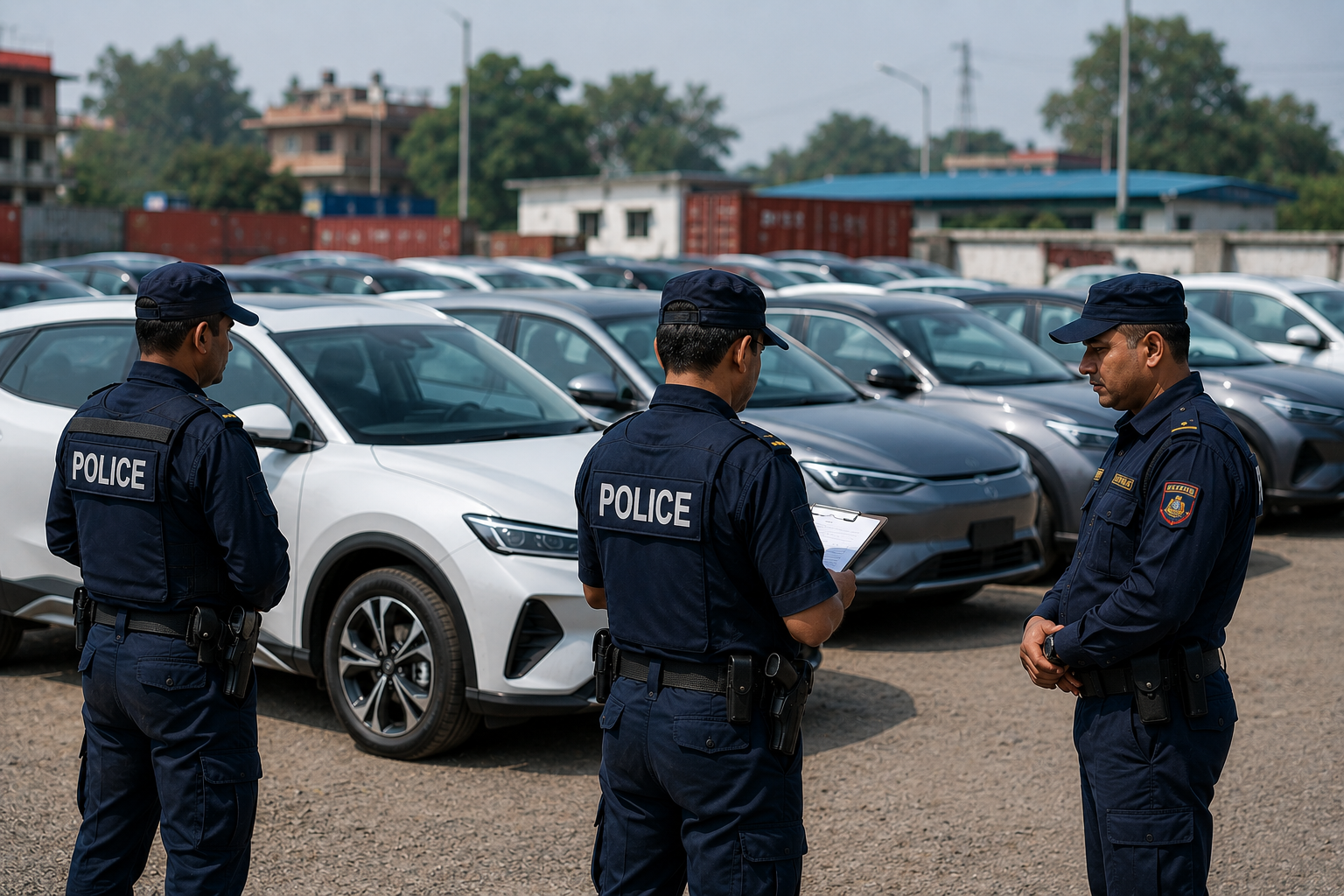
- Officials have already started on-site inspections.
- The review will focus on customs documents, revenue records, and import-related paperwork.
- The case has drawn strong attention from Nepal’s automotive industry.
- The final findings may affect how vehicle imports and customs compliance are monitored in the future.
Government Acts After Major EV Seizure
The Nepal government has started a formal investigation into 779 electric vehicles that were recently seized on suspicion of tax evasion. A dedicated committee has now been formed to review the case, following instructions from the Office of the Prime Minister and Council of Ministers.
This is not a small matter for Nepal’s automotive sector. A seizure involving 779 vehicles is serious by any measure, especially at a time when electric vehicles are becoming more popular among Nepali buyers. EVs are no longer a small niche in the market. They are now a major part of Nepal’s changing vehicle industry.
According to officials, the investigation will focus on whether proper customs and revenue procedures were followed during the import process. The committee will review documents, check vehicle-related records, and determine whether there were any violations of government revenue rules.
On paper, that may sound like a routine administrative process. In reality, the case could have much wider consequences.
Vehicle imports in Nepal are closely tied to customs duties, taxes, and government revenue. Any suspected irregularity in such a large shipment naturally raises questions for importers, dealers, consumers, and regulators.
Who Is In The Investigation Committee?
The government has brought together officials from different agencies to handle the investigation. This shows that the case is not being treated as a simple paperwork issue.
The committee includes representatives from:
| Agency | Role in the Investigation |
|---|---|
| Ministry of Finance | Revenue and financial oversight |
| Department of Customs | Customs document verification |
| Nepal Police | Law enforcement support |
| Armed Police Force | Investigation and field support |
This multi-agency structure matters because vehicle import cases usually involve several layers of documentation. Investigators may need to review customs declarations, tax records, import papers, vehicle details, and supporting documents before reaching any conclusion.
A single department may not be able to examine the full picture properly. That is why a coordinated committee makes sense in a case of this size.
Why This Case Matters For Nepal’s EV Market
Electric vehicles have become one of the biggest talking points in Nepal’s auto market. More buyers are considering EVs because of lower running costs, improving charging infrastructure, and growing interest in cleaner mobility.
At the same time, EV imports are also linked to tax policy and customs rules. Government decisions on duties and taxation can directly affect EV pricing in Nepal.
That is why the seizure of 779 electric vehicles has attracted so much attention.
For consumers, the case may raise questions about vehicle availability, pricing, and trust. For dealers and importers, it sends a clear message that customs compliance is being watched more closely. For the government, the issue is about protecting state revenue and maintaining discipline in the import system.
Officials have said the investigation will move forward based on evidence. That is important. At this stage, the vehicles have been seized on suspicion of tax evasion. The final conclusion will depend on what the committee finds during its review.
On-Site Investigation Has Already Started
Government officials have confirmed that the committee has already begun field-level investigation at the locations where the vehicles were seized.
The initial inspection is expected to help investigators understand the condition, quantity, and documentation status of the vehicles. After that, the committee will continue checking customs and revenue-related paperwork.
| Investigation Area | Current Status | Purpose |
| Committee formation | Completed | To formally begin the inquiry |
| On-site inspection | Underway | To verify the seized vehicles |
| Document review | In progress | To check customs and revenue records |
| Legal process | Pending findings | To decide further action |
Because the case involves 779 vehicles, the review may not be completed quickly. Each vehicle may need to be checked against import documents, customs papers, and revenue records.
That takes time.
In cases like this, speed is less important than accuracy. A rushed investigation could create confusion. A careful review will help authorities decide whether tax evasion actually took place or whether the documents support the import process.
What Could Happen Next?
The government has not announced when the investigation will be completed. Officials have only indicated that the review process is already moving forward.
For Nepal’s vehicle import sector, the outcome could be important.
If the investigation finds irregularities, authorities may take legal or administrative action against those involved. It could also lead to stricter checks on future vehicle imports.
If the documents are found to be in order, the case may still influence how importers prepare and maintain paperwork in the future.
Either way, this investigation is likely to create pressure for better transparency in the automotive business.
Importers may become more careful with documentation. Customs officials may tighten verification procedures. Dealers may face more questions from buyers. Consumers may also become more aware of whether the vehicles they purchase have entered the country through proper legal channels.
Bigger Message For The Automotive Industry
This case is not only about 779 electric vehicles. It is also about how Nepal manages a fast-growing EV market.
As electric mobility grows, government oversight will naturally become stronger. That is not surprising. When a market expands quickly, regulation usually follows.
For honest businesses, stronger compliance may actually be a good thing. It can help create a cleaner market where genuine importers and dealers are not undercut by those trying to avoid tax responsibilities.
For consumers, it can improve confidence. Buyers want to know that the vehicle they are purchasing is legally imported, properly documented, and free from future complications.
For the government, the priority is revenue protection. Customs and import duties remain important sources of state income, and any suspected leakage in that system will attract attention.
Frequently Asked Questions
How many electric vehicles are under investigation?
The committee is investigating 779 electric vehicles that were seized on suspicion of tax evasion.
Why were the vehicles seized?
The vehicles were seized after authorities suspected possible tax evasion linked to customs and revenue documentation.
Which government agencies are involved?
The committee includes representatives from the Ministry of Finance, Department of Customs, Nepal Police, and Armed Police Force.
Has the investigation already started?
Yes. Officials have confirmed that on-site inspections have already begun at the locations where the vehicles were seized.
When will the investigation be completed?
No official completion date has been announced. Since the case involves hundreds of vehicles and detailed document checks, the process may take time.
Why is this case important?
The case is important because it could affect future customs checks, EV import procedures, dealer compliance, and overall confidence in Nepal’s automotive market.
Final Thoughts
The investigation into 779 seized electric vehicles has become one of the most closely watched automotive and revenue cases in Nepal. It comes at a time when EV demand is rising and the vehicle import business is under growing public and regulatory attention.
For now, the matter is still under investigation. The vehicles have been seized, officials are reviewing documents, and the final outcome will depend on evidence.
But one thing is already clear: this case could influence how Nepal handles EV imports, customs compliance, and revenue enforcement in the coming days.

