Bike vs Car: Which Is More Fruitful for Long-Distance Travel in Nepal?
Bike vs Car: Which Is More Fruitful for Long-Distance Travel in Nepal?
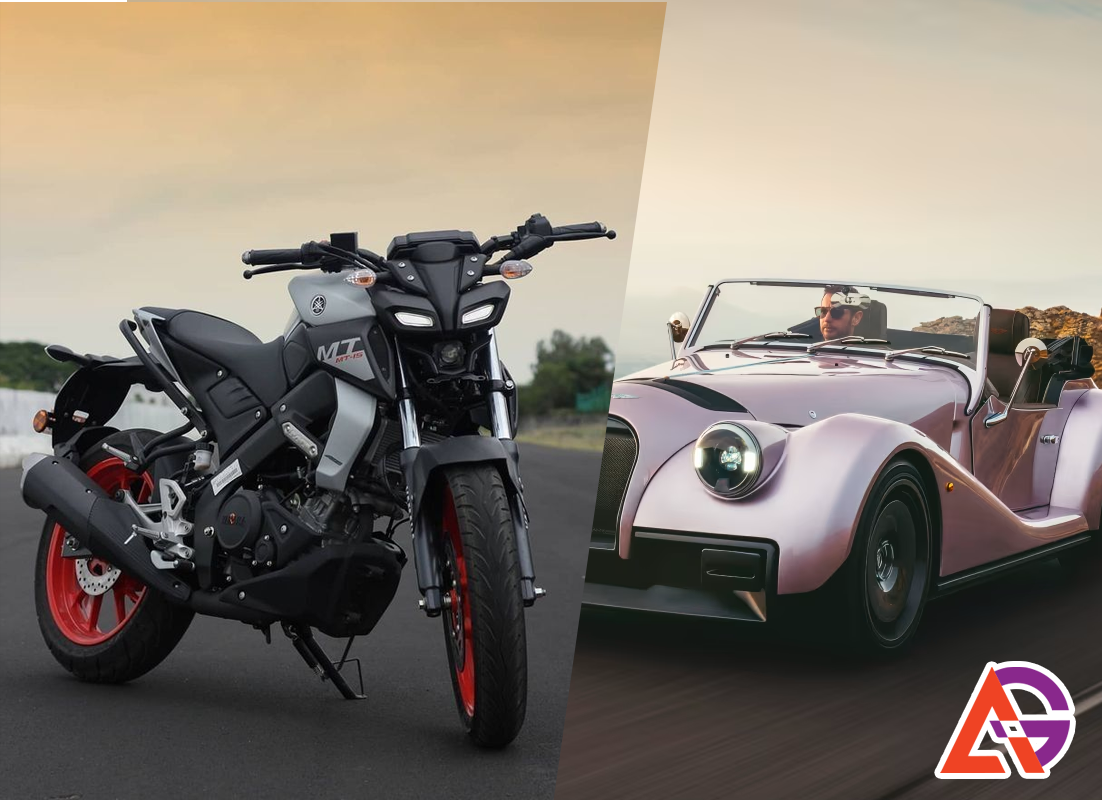
Traveling long distances in Nepal is different from traveling in many other nations since it requires negotiating narrow rural roads, winding mountain roadways, abrupt elevation changes, and erratic weather. From well-known roads like Kathmandu to Pokhara and Chitwan to the Terai highways, to far-off locations like Mustang, Rara, or the eastern hills, picking the appropriate car is essential to determining the entire trip. Whether a car or a bike is better for long-distance travel is one of the most frequently asked questions by Nepali tourists. In Nepal, vehicles are prized for their comfort, safety, and convenience on long trips, but bikes are popular due to their cost, fuel efficiency, and ease of maneuvering on small roads. Before organizing a lengthy journey through Nepal's varied scenery, it is crucial to comprehend the benefits and drawbacks of both methods.
Comfort becomes one of the most crucial considerations when comparing cars and bikes for long-distance travel in Nepal, mainly because of the country’s challenging road conditions and varied terrain. Riding a bike for several hours on uneven roads, sharp bends, steep climbs, and under-construction highways can be physically exhausting, often leading to fatigue, back pain, wrist strain, and muscle soreness. Continuous exposure to vibrations, wind, dust, and changing weather further adds to the physical stress, especially on longer routes. Although bike travel is often described as thrilling and adventurous, it demands a high level of physical stamina, mental focus, and frequent rest breaks to avoid exhaustion and discomfort. For experienced riders, this may be manageable, but for many travelers, long-distance bike rides can become tiring rather than enjoyable. Cars, in contrast, are designed to provide comfort over long distances, offering better suspension systems, proper seating support, and protection from external elements such as rain, heat, cold, and dust. The enclosed and stable environment of a car allows drivers and passengers to relax, maintain a comfortable posture, and enjoy the journey with minimal physical strain. This becomes especially important when traveling with children, elderly family members, or passengers who may not be able to tolerate long hours of physical discomfort. Cost and fuel efficiency are also important factors in Nepal, particularly with rising fuel prices and travel expenses. Bikes are generally more fuel-efficient and require lower maintenance, making them a practical and budget-friendly option for solo travelers or riders who want to minimize travel costs. Cars consume more fuel, especially on hilly roads and long highway stretches, and their maintenance costs are comparatively higher; however, when the overall travel expense is shared among multiple passengers, the cost per person often becomes reasonable. Safety is another major concern on Nepal’s roads, where narrow lanes, blind corners, landslides, and unpredictable traffic conditions increase the risk of accidents. Bikes provide limited physical protection and leave riders directly exposed to road hazards, whereas cars offer a safer travel environment with features such as seat belts, airbags, and a stronger body structure, making them a more secure option for long-distance journeys.
Long-distance travel decisions are also heavily influenced by the weather, since cars provide constant comfort regardless of weather conditions, while bicyclists are more vulnerable to rain, freezing temperatures in hilly areas, and intense heat in the Terai. Bikes and cars differ further in terms of luggage capacity. Bikes have few storage options and need extra attachments, whereas cars have plenty of room to carry supplies, luggage, and emergency equipment, making them better suited for extended excursions. Nepal's road conditions vary widely, and although bikes are more maneuverable on rural, small, or broken roads, vehicles work better on long, smooth highways where comfort and stability are crucial. From an experience standpoint, people who value ease, safety, and a laid-back trip tend to choose vehicle travel, whereas adventure seekers who like the freedom and excitement of cycling along picturesque landscapes tend to choose bike travel.
The road conditions in Nepal are very varied, ranging from well-paved highways connecting large towns to narrow village trails and rugged, under-construction mountain roads. This variation is crucial in choosing whether a car or a bike is more appropriate for travel. Bicycles have a distinct advantage over larger vehicles in rural and hilly areas where roads are frequently narrow, uneven, or partially damaged due to landslides and weather. This is because bikes are easier to maneuver, can avoid traffic congestion, and can handle broken patches more effectively. Riders may quickly change their speed, make necessary detours, and go to far-off places that could be challenging for cars to get to. However, cars perform far better on long, smooth highways, such as major sections of the East-West Highway or well-maintained routes linking important cities, because they provide more stability, smoother handling at higher speeds, and noticeably more comfort during lengthy periods of travel. Car travel is less taxing and more appropriate for long-distance trips on these routes since it is possible to sit comfortably, keep a steady speed, and be shielded from dust, heat, rain, and cold. From the standpoint of the whole travel experience, individuals who value convenience, security, and a leisurely trip frequently like driving, particularly when traveling with family, senior passengers, or luggage, as cars offer a regulated and comfortable atmosphere throughout the trip.
However, riding a bike through Nepal's picturesque landscapes winding hill roads, river valleys, and mountain backdrops offers a sense of freedom and excitement that a car cannot easily replicate, so adventure seekers and lone travelers who appreciate the thrill of the journey itself are frequently drawn to bike travel. For these riders, the adventurous character of the trip, the ability to stop anywhere, and the intimate connection with the environment are just as satisfying as arriving at the destination.

