Brake Failure in Cars: Causes, Warning Signs & Safety Tips
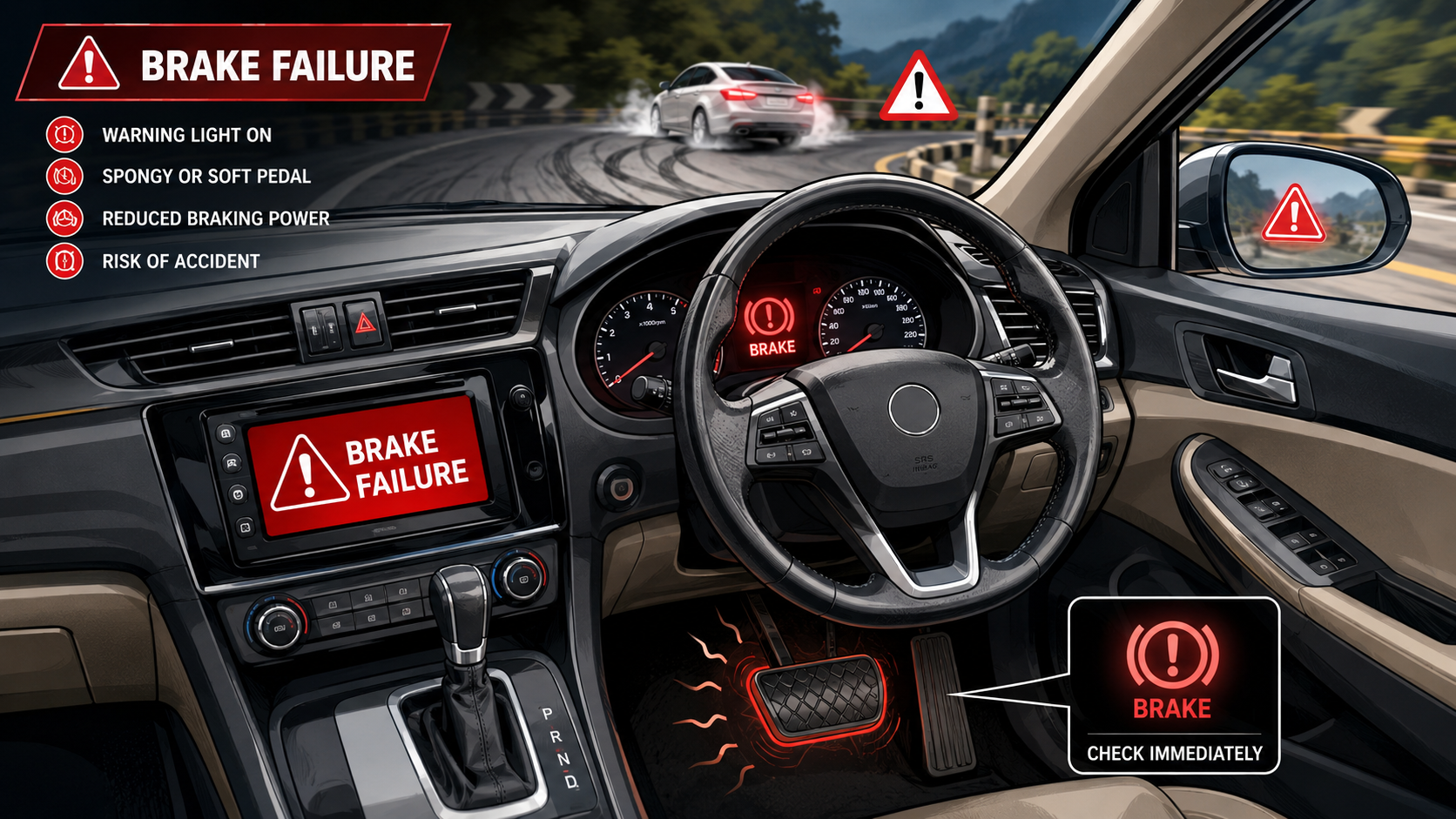
Brake failure is one of the most dangerous problems any driver can face. Whether you are driving in Kathmandu traffic, climbing uphill roads, or going downhill on highways outside the valley, your car’s braking system is directly connected to your safety. A car can have a powerful engine, stylish design, modern features, and good mileage, but if the brakes are not working properly, everything else becomes secondary.
In Nepal, road conditions can be unpredictable. Drivers often face steep roads, sharp turns, heavy traffic, wet roads during monsoon, and uneven surfaces. Because of this, brake maintenance should never be taken lightly. Many accidents happen not because the driver is careless, but because small brake problems were ignored for too long.
At Atal Auto, where buyers can explore quality used cars, compare deals, and read expert car blogs, vehicle safety and proper inspection are important topics for every car owner and buyer. Atal Auto presents itself as a trusted platform for buying quality used cars at affordable prices in Nepal, with listings, used car prices, and automotive blogs for customers.
This guide explains what brake failure means, why it happens, what warning signs you should watch for, and what to do if your brakes fail while driving.
What Is Brake Failure?
Brake failure happens when a vehicle’s braking system cannot slow down or stop the car properly. It does not always mean the brakes suddenly stop working completely. In many cases, brake failure starts slowly. The car may take longer to stop, the brake pedal may feel soft, the vehicle may pull to one side, or you may hear strange sounds while braking.
A complete brake failure is rare, but partial brake failure is more common. The real danger is that many drivers ignore early symptoms. They think a small sound, vibration, or warning light is not serious. But brake problems usually become worse over time. What begins as a simple brake pad replacement can turn into damaged rotors, brake fluid leakage, or complete loss of braking power.
Common Causes of Brake Failure in Cars
1. Low or Leaking Brake Fluid
Most modern cars use a hydraulic braking system. When you press the brake pedal, brake fluid helps transfer pressure to the brake components near the wheels. If the brake fluid level is low or leaking, the pressure becomes weak, and the brakes may not respond properly. A soft or spongy brake pedal can be a sign of low brake fluid or a brake fluid leak. If the pedal sinks easily or feels weak, the vehicle should be checked quickly. Brake fluid leaks can happen from damaged brake lines, worn seals, faulty master cylinders, or damaged calipers. In Nepal, older vehicles and poorly maintained used cars are more likely to have brake fluid-related issues. That is why checking fluid levels and service history is very important before buying any second-hand car.
2. Worn-Out Brake Pads
Brake pads are the parts that press against the brake disc or rotor to slow the vehicle. Over time, they wear down because of friction. This is normal, but if they are not replaced on time, braking performance becomes poor. When brake pads are too thin, you may hear squealing, grinding, or scraping sounds. A squealing sound often means the brake pad wear indicator is touching the rotor. A grinding sound is more serious because it may mean metal is rubbing against metal. This can damage the rotor and increase repair costs. For city drivers in Kathmandu, brake pads can wear faster because of constant stop-and-go traffic. If you drive daily in crowded areas like Thamel, New Road, Baneshwor, Kalanki, Koteshwor, or Ring Road, brake pads should be checked regularly.
3. Overheated Brakes
Brakes create heat when they slow down a vehicle. Under normal driving conditions, this heat is manageable. But when brakes are used too much, especially while driving downhill, they can overheat. Overheated brakes can lead to brake fade. This means the brakes still work, but they lose strength. The driver may press the pedal harder, but the car does not slow down as expected. This is especially important in Nepal because many roads include long downhill sections. Drivers coming down from places like Nagarkot, Dhulikhel, Daman, Mugling, Pokhara highway areas, or hilly routes must avoid riding the brake continuously. Instead, use lower gears to control speed and reduce pressure on the braking system.
4. Air in the Brake Lines
Brake fluid should move through the braking system without air. If air enters the brake lines, the brake pedal can feel soft or spongy. This happens because air compresses more easily than brake fluid, reducing braking pressure. Air can enter the brake system after improper brake servicing, fluid leakage, or worn components. If the brake pedal feels soft after recent maintenance, the brake system may need bleeding. This should be done by a professional mechanic.
5. Faulty Brake Master Cylinder
The master cylinder is an important part of the hydraulic brake system. It creates the pressure needed to activate the brakes. If the master cylinder is damaged or leaking internally, the brake pedal may sink slowly to the floor. A sinking brake pedal is a serious warning sign. It can indicate loss of brake pressure and should not be ignored. If this happens, avoid driving the car until the braking system is properly inspected.
6. Damaged Brake Lines or Hoses
Brake lines carry brake fluid from the master cylinder to the wheels. If these lines become cracked, rusted, damaged, or loose, brake fluid can leak out. Once the fluid leaks, the braking system loses pressure. In older vehicles, this problem can be more common. Rust, road dirt, poor repairs, and age can weaken brake lines. When buying a used car in Nepal, always inspect the underside of the vehicle and ask about previous maintenance records. Atal Auto’s used car buying guidance also highlights the importance of checking service history and proper vehicle condition before purchasing a second-hand car.
7. ABS Problems
ABS stands for Anti-lock Braking System. It helps prevent wheels from locking during sudden braking. If the ABS warning light appears on the dashboard, it means there may be a fault in the system. A car can still brake without ABS in many cases, but emergency braking performance may be reduced, especially on wet, slippery, or gravel roads. If your ABS light stays on, get the car scanned and inspected.
8. Poor Quality Parts or Bad Repairs
Using cheap brake pads, low-quality brake fluid, or unskilled mechanics can create serious safety risks. Brake repairs should never be treated as a place to save a few rupees. Poor-quality parts may wear out faster, create noise, reduce braking power, or damage other components. When replacing brake parts, always use reliable parts suitable for your vehicle model. Also, choose a mechanic who understands the braking system properly.
Warning Signs of Brake Failure
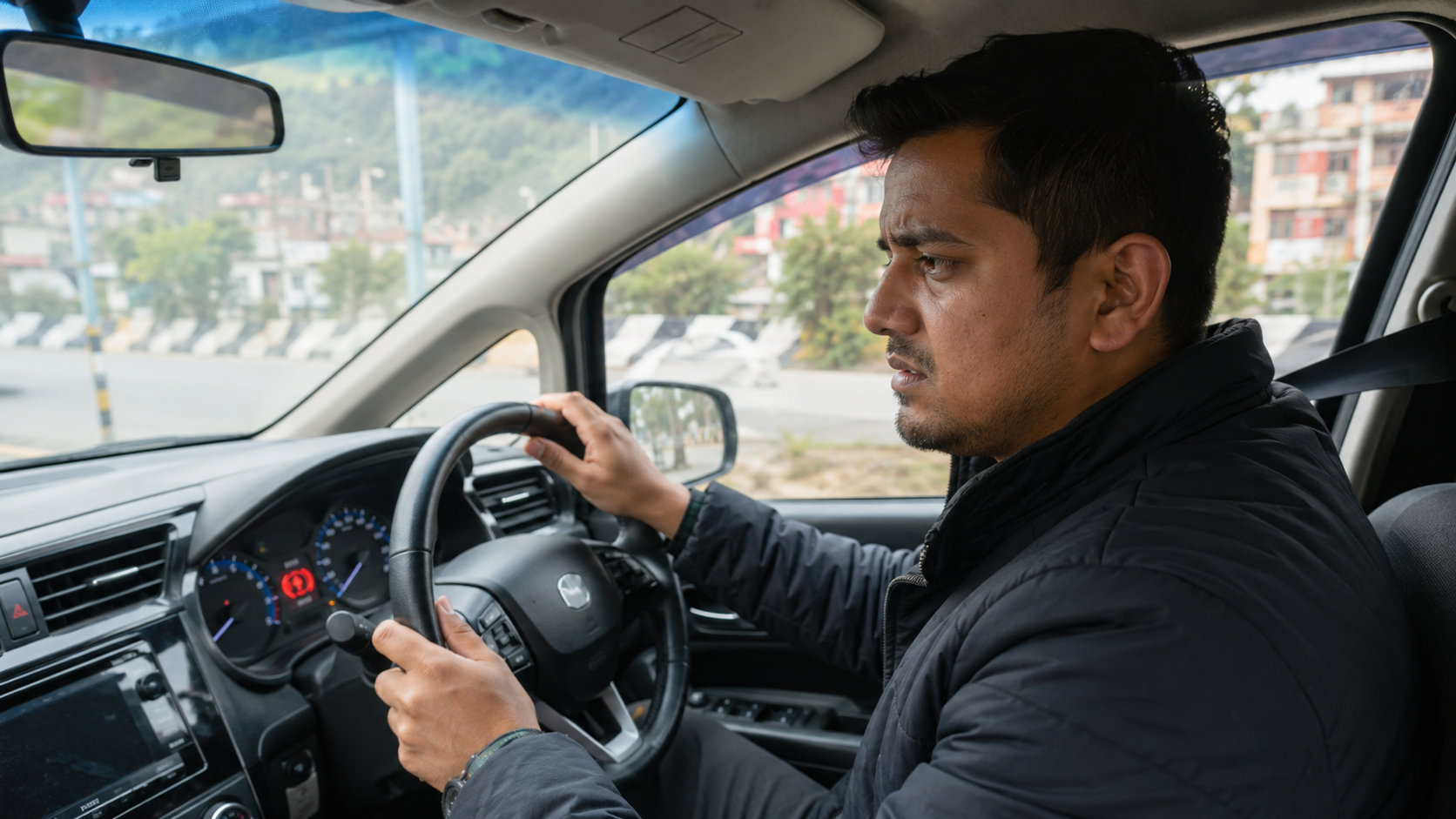
Brake failure usually gives warning signs before it becomes dangerous. Drivers should never ignore these symptoms.
1. Soft or Spongy Brake Pedal
If your brake pedal feels soft, loose, or goes too far down, there may be air in the brake lines, low brake fluid, or a leak. This is one of the most serious brake warning signs.
2. Brake Warning Light
If the brake warning light or ABS light appears on your dashboard, check it immediately. A brake warning light can indicate low brake fluid, worn brake pads, parking brake issues, or hydraulic system faults. ABS warning lights can point to problems with the anti-lock braking system.
3. Grinding or Squealing Noise
Squealing often means brake pads are worn. Grinding means the problem may already be serious. Do not continue driving for long with grinding brakes because it can damage the brake disc and increase repair costs.
4. Car Pulling to One Side While Braking
If the car pulls left or right when braking, it may be caused by uneven brake pad wear, a stuck caliper, brake fluid pressure issues, or suspension problems. This can be dangerous during emergency braking.
5. Vibration While Braking
If the steering wheel or brake pedal vibrates when you press the brake, the brake rotors may be warped or uneven. This can happen due to overheating, hard braking, or worn components.
6. Burning Smell After Braking
A sharp burning smell after heavy braking can mean the brakes are overheating. Stop the vehicle safely and allow the brakes to cool. Do not pour water on hot brakes because sudden cooling can damage parts.
7. Longer Stopping Distance
If your car takes longer than usual to stop, something is wrong. It may be worn pads, weak brake fluid, old tires, or a hydraulic problem. Longer stopping distance is dangerous, especially in traffic and during rainy weather.
What to Do If Brakes Fail While Driving
Brake failure is scary, but panic makes it worse. If your brakes fail while driving, stay calm and follow these steps.
First, remove your foot from the accelerator. Keep both hands on the steering wheel and focus on controlling the vehicle. Try pressing the brake pedal repeatedly. Sometimes pumping the brakes can build temporary pressure if the system has partial failure.
Next, shift to a lower gear. In a manual car, gradually downshift from higher gear to lower gear. In an automatic car, shift to low gear mode if available. This helps slow the vehicle using engine braking.
Use the handbrake carefully. Do not pull it suddenly at high speed because it can lock the rear wheels and make the car skid. Apply it slowly and steadily.
Turn on hazard lights and use the horn to warn other drivers. Look for a safe place to move the vehicle, such as the side of the road, an uphill area, or an open space. Avoid sharp turns if possible.
If nothing works, try to reduce speed by gently rubbing the tires against a safe roadside barrier, bushes, or soft ground. This should only be a last option when there is no other way to stop.
After the vehicle stops, do not continue driving. Call a mechanic or tow the vehicle.
Brake Safety Tips for Car Owners in Nepal
1. Check Brake Fluid Regularly
Brake fluid should be at the correct level and should not look dirty or contaminated. If the level drops quickly, there may be a leak.
2. Replace Brake Pads on Time
Do not wait until you hear grinding sounds. Brake pads are cheaper than rotors, calipers, and major brake repairs. Replacing them on time saves money and improves safety.
3. Inspect Brakes Before Long Trips
Before driving to Pokhara, Chitwan, Mustang, Ilam, Hetauda, or any long-distance route, check your brakes, tires, lights, engine oil, coolant, and fluid levels.
4. Use Lower Gear on Downhill Roads
Do not depend only on brakes while driving downhill. Use engine braking by shifting to a lower gear. This reduces brake overheating and gives better control.
5. Avoid Overloading the Vehicle
Overloading increases pressure on the braking system. A heavily loaded car takes longer to stop, especially on downhill roads.
6. Do Not Ignore Dashboard Warning Lights
Many drivers ignore warning lights if the car still runs. This is a bad habit. A brake warning light should be treated as urgent.
7. Buy Used Cars Only After Inspection
When buying a second-hand car, always check the brake system, service history, accident record, tires, suspension, engine, and legal documents. Atal Auto provides a platform for used cars in Nepal and shares buying guidance to help customers make better decisions.
Why Brake Inspection Is Important Before Buying a Used Car
A used car may look clean from the outside, but the real condition is inside the mechanical system. Brakes are one of the first things you should inspect before buying any second-hand car.
During a test drive, check how the car responds when braking. The pedal should feel firm, not too soft. The car should stop straight without pulling to one side. There should be no grinding sound, vibration, or burning smell.
Also, check the service records. A well-maintained car usually has records of brake pad replacement, fluid changes, and regular servicing. If the seller cannot provide any service history, take the car to a trusted mechanic before making a final decision.
This is especially important in Nepal’s used car market, where buyers often focus on price, model year, mileage, and exterior condition. Those things matter, but safety matters more.
Final Thoughts
Brake failure does not usually happen without warning. In most cases, the car gives signs early: soft pedal, strange noise, warning light, vibration, fluid leakage, or longer stopping distance. The problem is that many drivers ignore these signs until the repair becomes expensive or dangerous.
Your brakes are not just another car part. They are your first line of safety. Whether you drive a small hatchback, sedan, SUV, pickup, EV, or premium vehicle, the rule is the same: maintain your brakes before they fail.
For drivers in Nepal, this is even more important because our roads demand extra attention. Heavy traffic, steep hills, sudden stops, wet roads, and mixed driving conditions all put pressure on the braking system.
Before buying a used car, always inspect the brakes properly. Before going on a long trip, check the brake fluid, brake pads, tires, and warning lights. And if your car shows any brake-related warning sign, do not delay repairs.
At Atal Auto, the goal is not only to help people find used cars in Nepal, but also to help buyers and drivers make safer, smarter decisions. A good car is not just about looks, features, or price. A good car should be reliable, properly maintained, and safe for you and your family.
For more used car updates, vehicle buying tips, and car information in Nepal, visit Atal Auto.

