Common Traffic Violations in Nepal You Need To Be Aware Of and How to Avoid Them

Driving on the roads can be exciting and fun for sure but it also comes with responsibility that is when driving you must be a responsible driver and what do you mean by responsible driver, let’s explore. In Nepal, just like in other countries, there are rules that drivers need to follow to keep everyone safe and these rules are called traffic laws and following this rule is the responsibility of a driver and that’s what makes them a responsible driver. Sadly, it seems as though there are not many responsible drivers in Nepal as there are many people who break these rules without realizing how dangerous it can be, which ultimately and unfortunately leads to accidents and even deaths. Whether it's speeding, not wearing a seatbelt, or parking wrongly, these small mistakes can cause big problems and not make you a responsible driver.
In Nepal, common traffic violations like these happen all the time such as parking at clearly parking not allowed areas, overspeeding, not wearing a helmet etc. Not following these rules can result in fines, penalties, and worse, accidents that could harm you or even pedestrians. However if you want to avoid these violations it is not too hard at all. Basically it’s all about being aware and making simple choices to follow the law.
For example, did you know that wearing a seatbelt is one of the easiest ways to protect yourself in case of an accident? But many people simply choose to forget it or even straight up ignore it thinking it's not that important. Similarly, speeding which can lead to terrible accidents can be avoided simply by just slowing down and driving at a slower speed. These are just a few of the mistakes that happen on Nepali roads every day.
At Nepal Auto Link, we care about road safety in Nepal, our goal is to help people understand the importance of safe driving and why they should always follow traffic rules to prevent any unforeseen accident. In this article, below we will talk about the most common traffic violations in Nepal and then also give you simple tips on how you can avoid them. And by following these rules, you can contribute to making Nepali roads safer and ensure a peaceful journey for everyone.
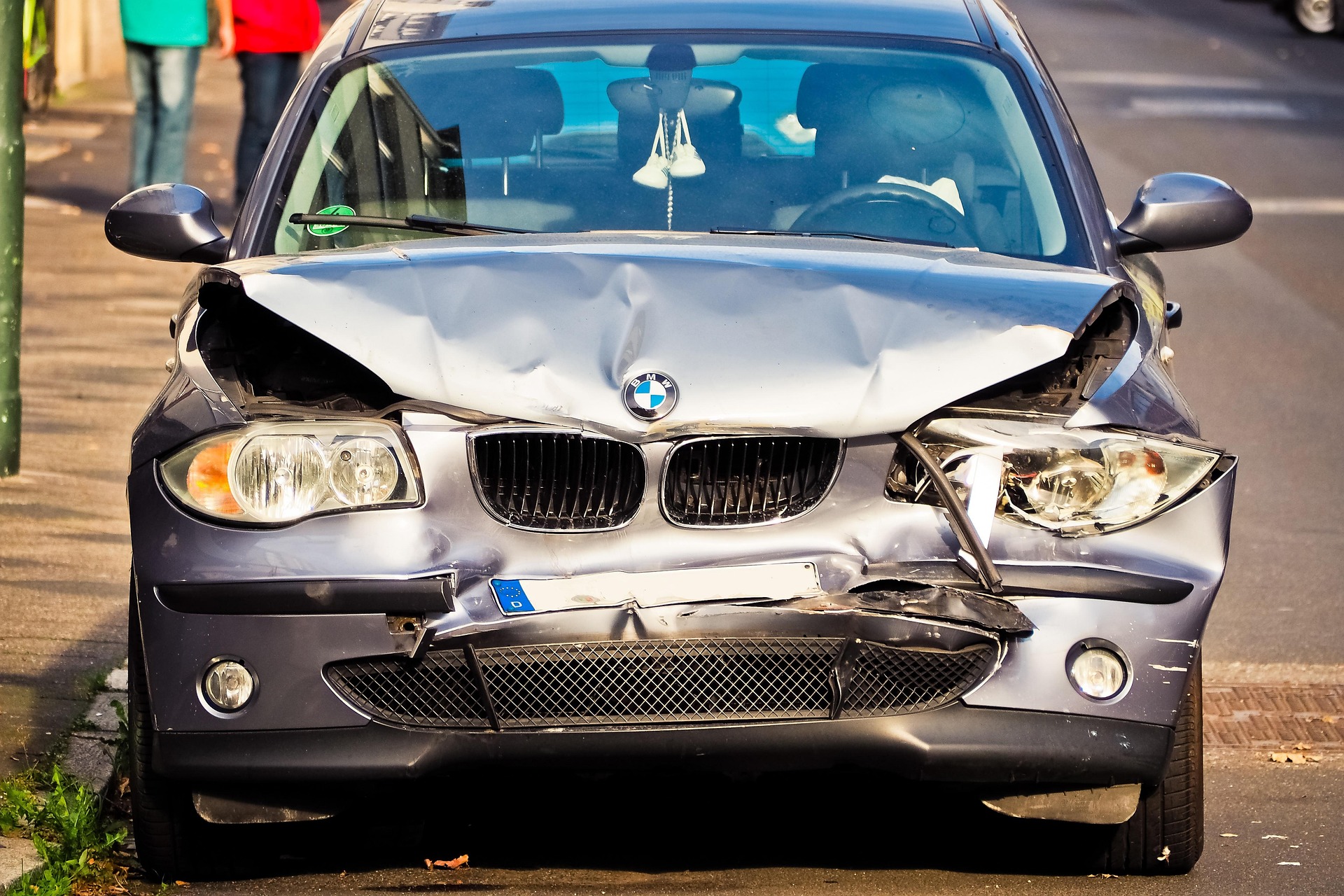
Over-Speeding: A Leading Cause of Accidents
Over-speeding means driving faster than the speed limit allowed on the road. Every road in Nepal has a set speed limit, and these limits are set for a reason in the road simply because when you drive your vehicle too fast there’s a very high probability that you’ll lose control of the vehicle and thus your chances of an accident happening also increase proportionally. Speeding is one of the main reasons accidents happen, and it's also something that can be easily avoided by simply driving at low speed, doing so not only saves your life but also the life of pedestrians.
Why Over-Speeding is Dangerous
When you drive too fast, your car doesn't stop as quickly when you need it to, which is definitely a problem. For example, if there is a person crossing the road or another car suddenly brakes, you might not be able to react in time to avoid hitting them thus causing unforeseen accidents to occur. The faster you go, the less time you have to make quick decisions. Also, at high speeds, your car becomes harder to control, and the chances of skidding or crashing increase, so the more you drive at high speed the more you are playing a game with your life.
Consequences of Over-Speeding
Driving at high speed is not only super risky it is also costly as well as it is something that could land you in some serious trouble as if you are caught speeding, there are serious consequences you might face. Like you could just face simple fines, but in some cases, your driver's license might be taken away. And in an even more serious case the speeding can cause an accident, where you could end up injuring someone or even getting injured yourself. Remember, speeding doesn't just affect you; it also puts other people in danger, like pedestrians, cyclists, and other drivers.
The law in Nepal is very clear about speed limits, and police are on the lookout for people who break these rules. Over-speeding can also lead to the loss of life, and that's the biggest price anyone could pay which you definitely don’t want to experience.
How to Avoid Over-Speeding
Avoiding over-speeding is very simple, you well just need to simply stick to the speed limits. While driving be sure to pay attention to road signs that show the speed limit and follow them. In busy areas like markets, school zones, or near hospitals, always drive slowly and carefully. Even if there are no speed limit signs as this is something you should understand why, it’s important to go at a safe speed depending on the traffic, weather, and road conditions.
Using modern technology can also help. Many cars today come with features like speed limit alerts or cruise control, which can keep you from speeding without even thinking about it. You can also use apps or devices to track your speed while driving, ensuring you never go over the limit.
At Nepal Auto Link, we believe that driving safely is essential for everyone’s well-being. Speed limits exist to protect drivers, passengers, and pedestrians. By following them, we all play a part in making our roads safer. If you are interested to read more such latest news be sure to check out our page.
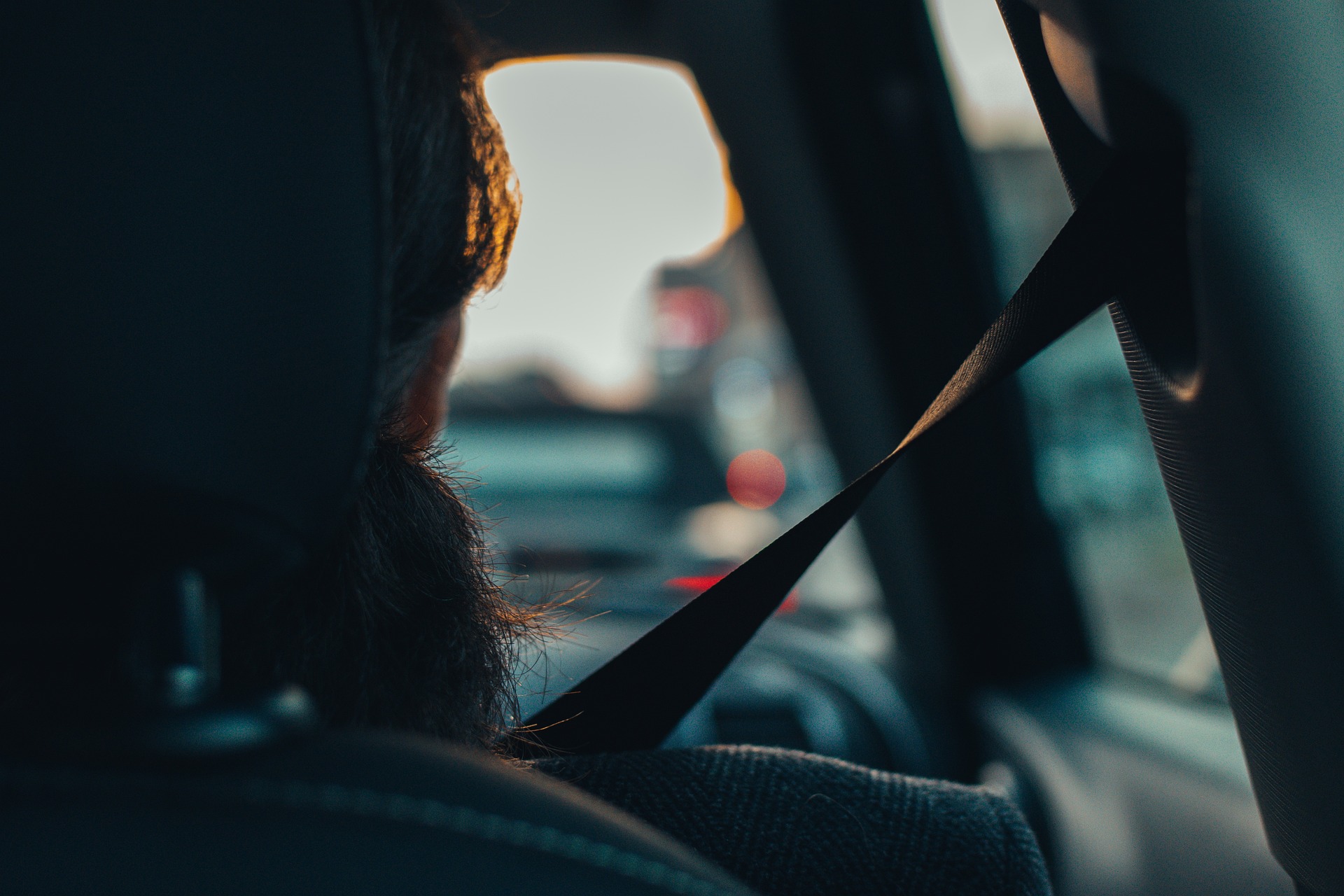
Not Using Seatbelts: A Simple but Common Violation
Seatbelts are one of the most important safety features in a car and seatbelts are in a car for a reason. They are there to protect you if something goes wrong while driving, like if the car suddenly stops or if there's an accident and this simple but effective feature of the car is the seatbelts that helps or at least tries to keep you safe. Even though seatbelts are so simple and easy to wear, many people in Nepal still forget to wear them or simply choose not to, thinking they don't need them. Not using a seatbelt may seem like a small thing, but it’s one of the biggest reasons for injuries or even deaths in car accidents.
Why Seatbelts are So Important
Seatbelts help keep you in place during a crash. Like when you accidently hit a car in front of you and you don’t wear a seatbelt during that time, you could very well be just thrown out of your seat or even out of the car, which is very dangerous. In a sudden stop, the car might slow down quickly, but your body keeps moving at the same speed, this phenomena is known as inertia. A seatbelt is useful during this time as it stops you from flying forward, which helps prevent serious injuries like head trauma, broken bones, or even death.
Many people in Nepal drive without wearing seatbelts, especially in the back seats. But whether you're sitting in the front or the back, wearing a seatbelt is important. If you're sitting in the back and you don’t wear a seatbelt, you can hurt others in the car too. During an accident, the people in the back can get thrown forward and hurt the people sitting in the front, so be sure to wear them.
Consequences of Not Using Seatbelts
The biggest consequence of not wearing a seatbelt is injury or even death. Seatbelts may seem very simple and you might think of it as unnecessary but in an accident, if you're not wearing a seatbelt, your chance of getting seriously hurt is much higher. Even if you’re driving at a low speed, not wearing a seatbelt can lead to life-threatening injuries. And the law in Nepal is clear: you must wear a seatbelt. If you’re caught not wearing it, you could face fines and penalties.
But the most important consequence is your safety. By not wearing a seatbelt, you are putting yourself at risk of severe harm. And if you’re not wearing one, it’s not just about you—your family and friends in the car are at risk too.
How to Make Seatbelt Wearing a Habit
-
Always Buckle Up Before Driving: The first thing you should do when you get in the car is put on your seatbelt. It doesn’t matter if you're driving or sitting as a passenger. Everyone in the car should wear their seatbelt, no matter how short the trip is.
-
Set an Example for Others: If you’re driving, always wear your seatbelt. Make sure everyone else in the car does the same, even in the back. You can also remind your friends and family to wear theirs.
-
Check Seat Belts Before Starting: Before you start driving, make sure the seatbelt is fastened properly for everyone in the car. It’s easy to forget, but it can save lives.
At Nepal Auto Link, we care about everyone’s safety on the roads. Wearing a seatbelt is the easiest and quickest way to protect yourself during a car ride. It only takes a few seconds, and it could save your life. We also write detailed reviews on vehicles that are available or will be available in Nepal where in there we explain about their safety features too, so if you are also interested in that be sure to check out our page .

Drunk Driving: A Deadly Violation
Drunk driving simply means driving a car after you have drunk alcohol or even after using drugs. It’s super dangerous and bad as alcohol affects the way your brain works, and when you're under the influence, you can’t make rational decisions, and thus, makes driving after getting drunk very dangerous. In Nepal, like in many countries, drunk driving is one of the leading causes of deadly accidents, especially at night.
Why Drunk Driving is So Dangerous
When you drink alcohol, it slows down your ability to think clearly and act quickly, not only that it can make you feel dizzy or sleepy, and you may not be able to judge distances properly when driving or you will be able to react fast enough to avoid accidents. Even small amounts of alcohol can affect your driving, so be aware.
Take for instance a scenario where you drank, then the alcohol can blur your vision, so you might not see things on the road clearly, like traffic signs, other vehicles, or pedestrians. It can also slow down your reflexes, making it harder to stop the car or change lanes when necessary. Because of these effects, a person who is drunk is much more likely to cause a crash than someone who is sober.
And the most hateful thing is drunk driving doesn't just hurt the driver, rather it can hurt the innocent people on the road who may just be walking peacefully on the road. This includes other drivers, pedestrians, passengers, and even children who may be walking or riding their bikes nearby, so if you can't think about your safety at least think about theirs.
Consequences of Drunk Driving
The consequences of drunk driving are very serious. If you're caught driving under the influence, you could face heavy fines, a suspension of your driver's license, or even jail time. If your drunk driving causes an accident, you could be held responsible for injuries or deaths, which could lead to serious legal and financial problems.
In addition to legal consequences, drunk driving can lead to life-changing injuries or even death. If you crash because you're drunk, you could seriously injure yourself or others. Even worse, drunk driving accidents often result in fatalities, and that’s something no one can take back.
How to Avoid Drunk Driving
-
Designate a Driver: If you're going out and plan to drink, choose someone in your group to be the designated driver. This person should stay sober and drive everyone home safely.
-
Use Public Transportation or Ride Services: If you don’t have a designated driver, use a taxi, ride-sharing service like Uber, or public transportation to get home safely.
-
Don’t Drink and Drive, Even a Little: Even if you’ve only had one drink, it's safer to avoid driving. Alcohol affects everyone differently, and it's better to be safe than sorry.
At Nepal Auto Link, we want to remind everyone that driving safely is the most important thing you can do for yourself and others on the road. Drunk driving is 100% avoidable. Make the right decision and protect everyone from the dangers of alcohol-impaired driving. If you are confused about anything you read feel free to contact us we are here to help you.
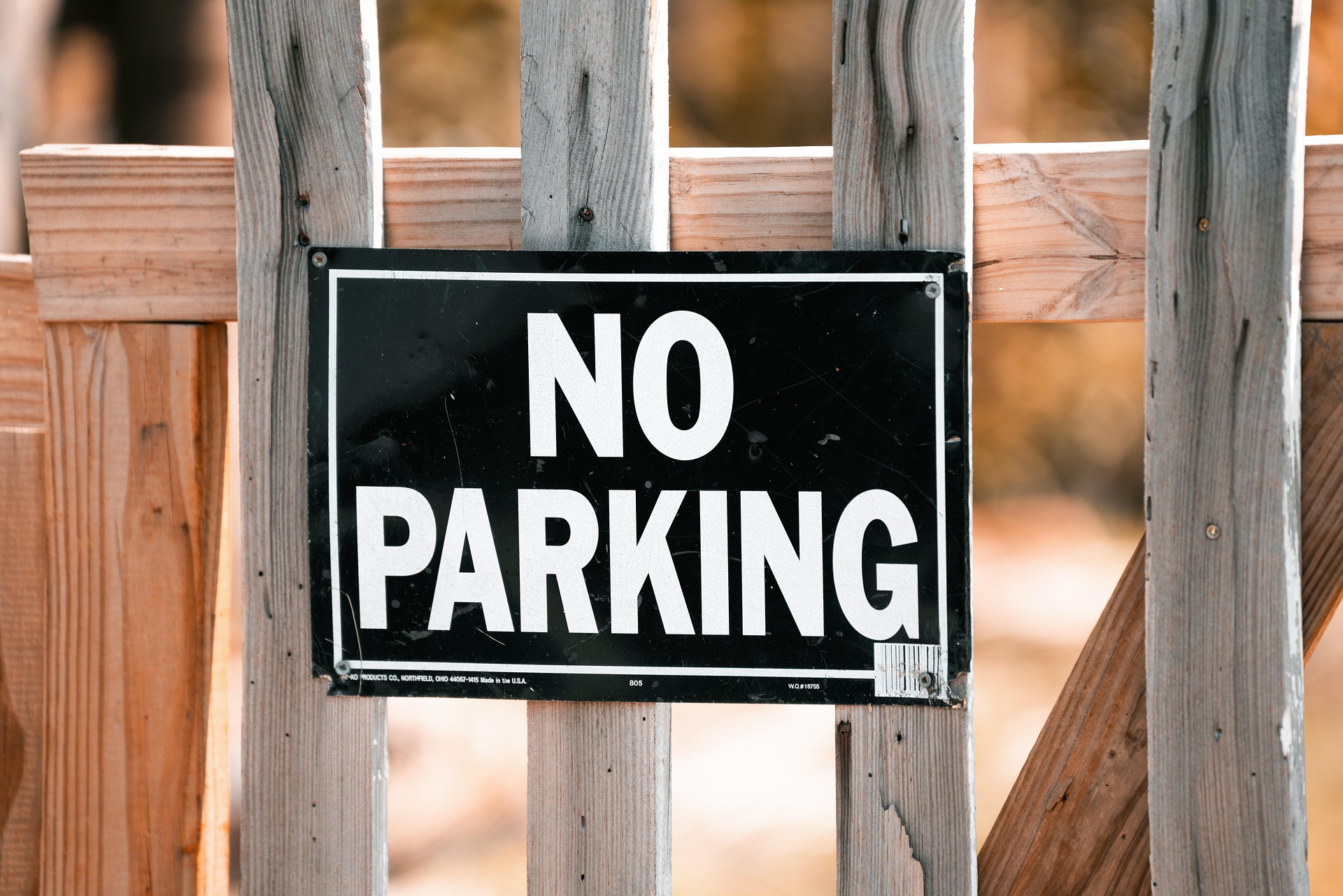
Improper Parking: Blocking Roads and Causing Disruption
Improper parking happens when drivers park their vehicles in places where they shouldn’t like in clearly marked no parking-zone. Doing such activity can block roads, driveways, or even emergency exits. This might seem like a small thing , you know to park a little outside the lines or in a no-parking zone but we will tell you the reality that it isn't the case as it can cause big problems for other drivers, pedestrians, and the overall traffic flow even thought it’s just a small insignificant action that you may not even remember.
Why Improper Parking Is a Problem
When someone parks their car in the wrong place, it disrupts everyone around them. Here’s why improper parking is a problem:
-
Blocks Roads: If a car is parked in the middle of the road or on the sidewalk, it can block traffic. This can cause a traffic jam, making it difficult for other drivers to pass through. In some cases, it can even stop emergency vehicles like ambulances or fire trucks delaying them from getting to where they’re needed and thus may cause even greater harm.
-
Causes Delays: Improperly parked cars can make it difficult for other drivers to move freely. It can force drivers to go around the car, which can slow down traffic and cause delays for everyone.
-
Endangers Pedestrians: Parking on the sidewalk means pedestrians, including children, the elderly, or people with disabilities, have to walk on the road. This can be very dangerous, especially in busy areas.
-
Restricted Parking: Sometimes, areas are designated for special parking—like loading zones, bus stops, or spaces for people with disabilities. Parking in these areas when you shouldn't can cause problems for people who really need these spots.
Consequences of Improper Parking
If you park your car in an improper place, there can be some serious consequences:
-
Fines and Towing: In Nepal, the traffic police can fine you if you're caught parking in the wrong place. In some cases, your car might even be towed away, and you’ll have to pay a fee to get it back.
-
Traffic Disruptions: Improper parking can cause traffic jams, which waste everyone’s time. These jams can also lead to accidents because other drivers may be forced to make quick or dangerous decisions to avoid blocked cars.
-
Inconvenience to Others: If you block a driveway or a public space, it could inconvenience people who need access to those areas. It could delay deliveries or prevent people from getting into their homes.
-
Accidents: Improper parking can sometimes lead to accidents. For example, if a car parks too close to the intersection or blocks a pedestrian crossing, other drivers might not be able to see clearly or may have to make sudden moves to avoid hitting something or someone.
How to Park Properly
-
Follow the Signs: Always look for parking signs that show whether parking is allowed. These signs will tell you where you can and can’t park, so make sure you follow them.
-
Don’t Block Driveways or Emergency Exits: Always park your vehicle in a place where it won't block driveways, entrances, or emergency exits. This ensures others can move freely and that emergency vehicles can get through when needed.
-
Use Designated Parking Areas: Make sure you're parking in spaces that are specifically for parking. If there's a designated spot for your vehicle, always use it. Don’t park in loading zones or spaces meant for people with disabilities unless you’re allowed to.
-
Be Mindful of Pedestrians: If you have to park on the side of the road, make sure you're not blocking the sidewalk. Pedestrians need space to walk safely, so always leave enough room for them to pass.
-
Parallel Parking: When parking on the street, always try to park parallel to the curb and leave enough space between your car and the next vehicle. This helps keep traffic flowing smoothly.
At Nepal Auto Link, we believe that proper parking is an important part of driving safely and responsibly. It’s not just about avoiding fines—it’s about respecting other people on the road and making sure everyone has enough space to move safely. You can also check out our price list where you may find your dream car which you wont drunk drive as you probably wouldn’t want to cause any damage to your dream car.
Conclusion
Traffic violations, no matter how small they may seem, can have serious consequences. From something dangerous like over-speeding to something you may feel is insignificant like improper parking, each such violation disrupts the flow of traffic and puts everyone’s safety at risk. Following traffic rules is not just about avoiding fines or consequences, rather it’s more about creating a safer environment for everyone on the road, including pedestrians, cyclists, and fellow drivers.
In Nepal, where roads are often busy and unpredictable, it’s essential to stay vigilant and follow the rules to prevent accidents, save time, and ensure the safety of all. Whether it's simple actions like using seatbelts, or parking properly, every little action makes a big difference in maintaining smooth traffic flow and ultimately helps create a safer driving or walking environment in Nepal.
At Nepal Auto Link, we understand the importance of safe and responsible driving. We encourage everyone to be mindful of their actions on the road. By following these simple yet crucial rules, we can all contribute to safer and more organized roads, making our daily journeys more comfortable and secure.
Let’s work together to make our roads safer, for example you can, after reading this article, take a small step at a time for a safe road in Nepal. Also, you can share this article to your friend if there is any who isn't a responsible driver.


