Exploring Nepal’s Public Transport System: Opportunities and Challenges

Introduction
Nepal's public transport system is a system that is essential for people to move around, whether it's for their work, or going to school, or for fun and travelling around. With buses, microbuses, tempos, and taxis working across different cities and rural areas it’s no lie to say that public transport serves as the backbone of daily commuting for many people. However even though the system is so important for people it still faces many challenges such as overcrowding due to lack of transportation options being available, poor road conditions especially in rural areas, and lack of regulation that increases risk of accidents.
But still there are significant opportunities to improve Nepal's public transport just as there are too many challenges. Some opportunities that can be done are better infrastructure, the integration of electric vehicles, and using advanced technology like app-based services.
In this article, we’ll explore properly the current state of Nepal’s public transport, the opportunities for improvement, and the challenges that need to be addressed to create a better and more sustainable transport system for everyone.
Current State of Public Transport in Nepal
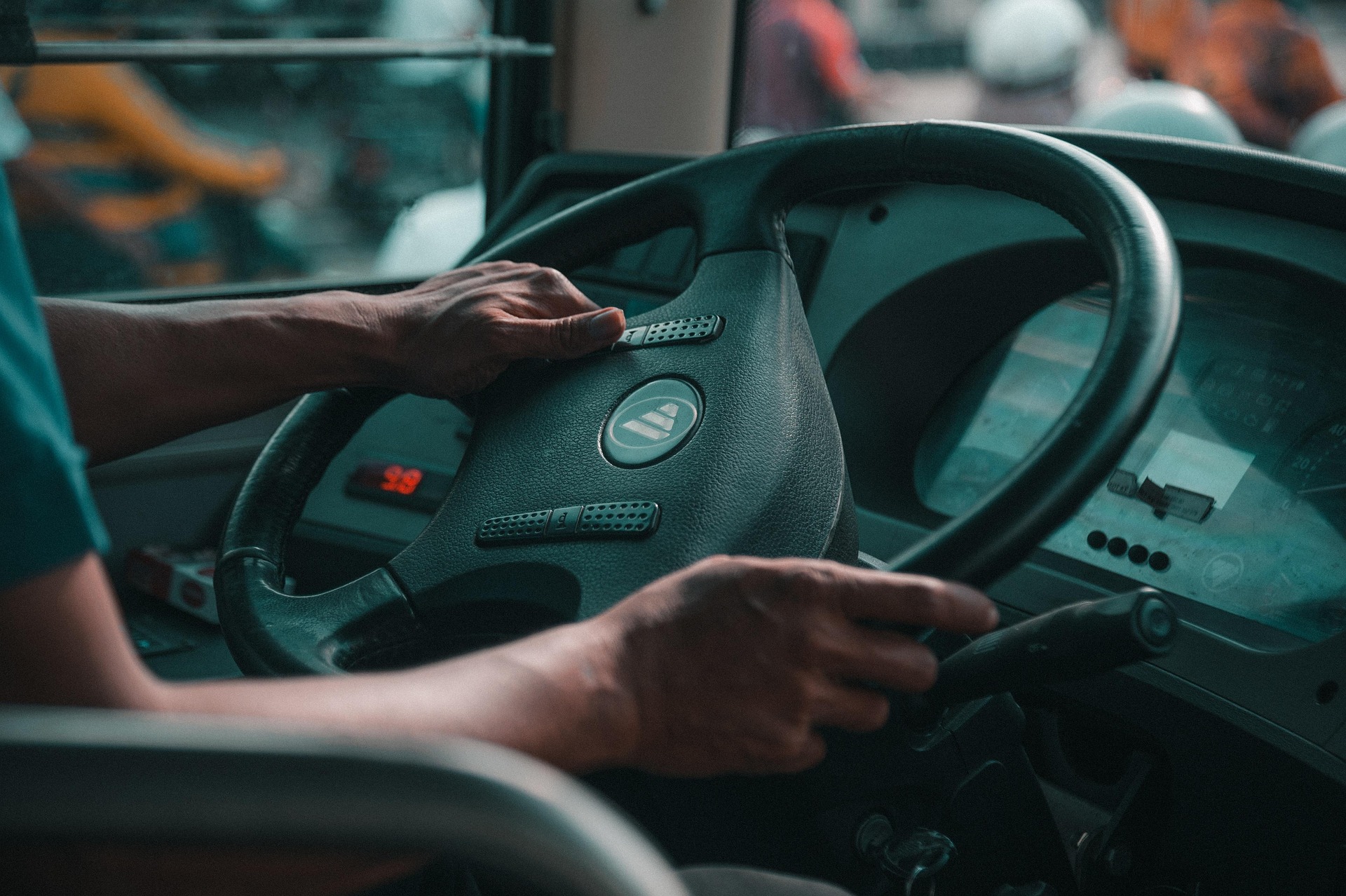
Nepal’s public transport system is vast and many, with various methods of transportation that serve both urban and rural areas. While these options are important for daily commuting, they face significant challenges that impact their efficiency and reliability.
Modes of Public Transport in Nepal:
-
Buses and Microbuses:
-
Buses are the most common method of transport that is the best for place to place travel. In major cities like Kathmandu, buses operate along fixed routes and you can easily ride them after waiting for some time in bus stops that are available at many places, it is also a very affordable way for passengers to travel unlike taxis. However, they can often become full with many people riding during peak hours making even standing difficult much less getting a seat, and the vehicles are also sometimes in poor condition.
-
Microbuses are buses which are smaller in size than normal buses and have more flexible routes, often covering areas that buses do not reach. Microbuses provide convenience and are faster to travel on compared to buses, but they also contribute to overcrowding and lack of regulation.
-
Tempos and Three-Wheelers:
-
These vehicles are widely used for short-distance travel in urban areas. Tempos are a popular and affordable choice for locals, but their unregulated nature often leads to issues like overcrowding, inconsistent fares, and safety concerns for passengers.
-
Taxis:
-
Taxis are available in larger cities and offer way more comfort and privacy compared to other methods like buses and tempos etc. However, the price of taxis are very high compared to other methods of transportation, especially for daily commuters. Additionally, fare regulation is inconsistent, which can lead to disputes and lack of transparency. Due to which most people either
-
Rickshaws:
-
In cities like Kathmandu, rickshaws are commonly used for short trips. They offer an eco-friendly option for travel, but they often face challenges such as traffic congestion, air pollution, and limited coverage. Additionally, rickshaws may not always meet safety standards.
Despite the many modes of transportation options, Nepal’s public transport system still continues to struggle with issues such as overcrowding, inefficiency, and a lack of infrastructure. Roads, particularly in rural areas, are often poorly maintained, causing delays and discomfort for passengers.
Opportunities for Improvement
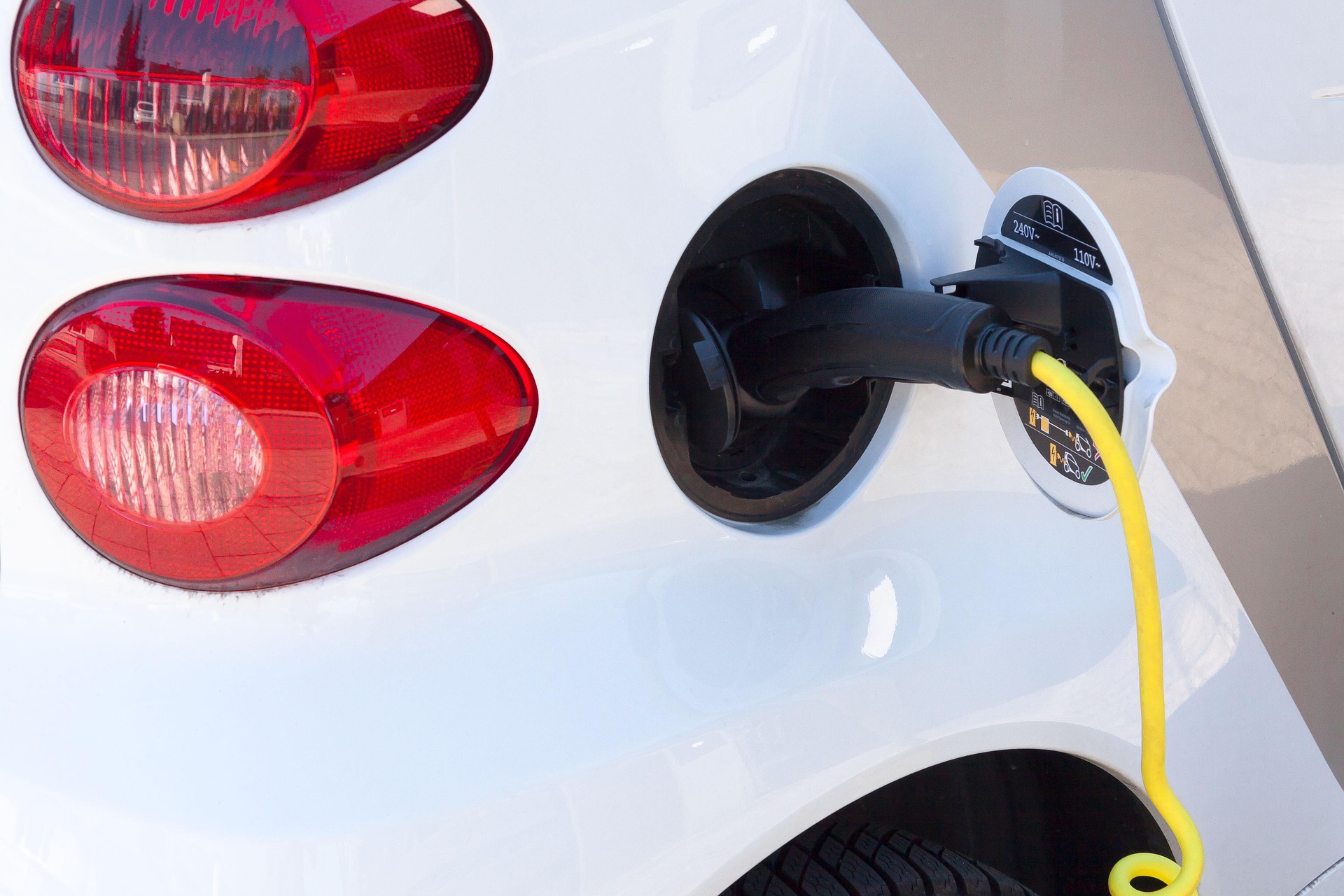
Nepal's public transport system has high potential for improvement. By addressing the many key challenges that Nepal faces, it will enhance the experience for commuters/passengers and create a more effective, sustainable, correctly working system.
-
Modernizing Infrastructure
-
Upgrading Roads and Terminals: Upgrading roads and creating dedicated bus lanes would reduce crowding and improve travel times.
-
Improving Safety and Regulation
-
Enforcing Safety Standards: Safety standards should be strictly enforced like regular vehicle inspections should be done and driver training can improve safety across all transport modes.
-
Introducing Green Vehicles
-
Electric Buses and Tempos: Using Electric vehicles (EVs) can reduce pollution and operating costs much more than when using fuel powered vehicles. So supporting EV ownership and installing more charging stations around different parts of Nepal would promote eco-friendly transport.
-
Expanding and Integrating Networks
-
Better Connectivity: Expanding services to different rural areas in Nepal and using different transport modes (buses, taxis, rickshaws) can improve convenience and create a smooth, enjoyable and comfortable experience for passengers.
By focusing on these opportunities, Nepal can improve its public transport system, making it safer, greener, and more efficient for everyone.
Challenges Facing Public Transport in Nepal
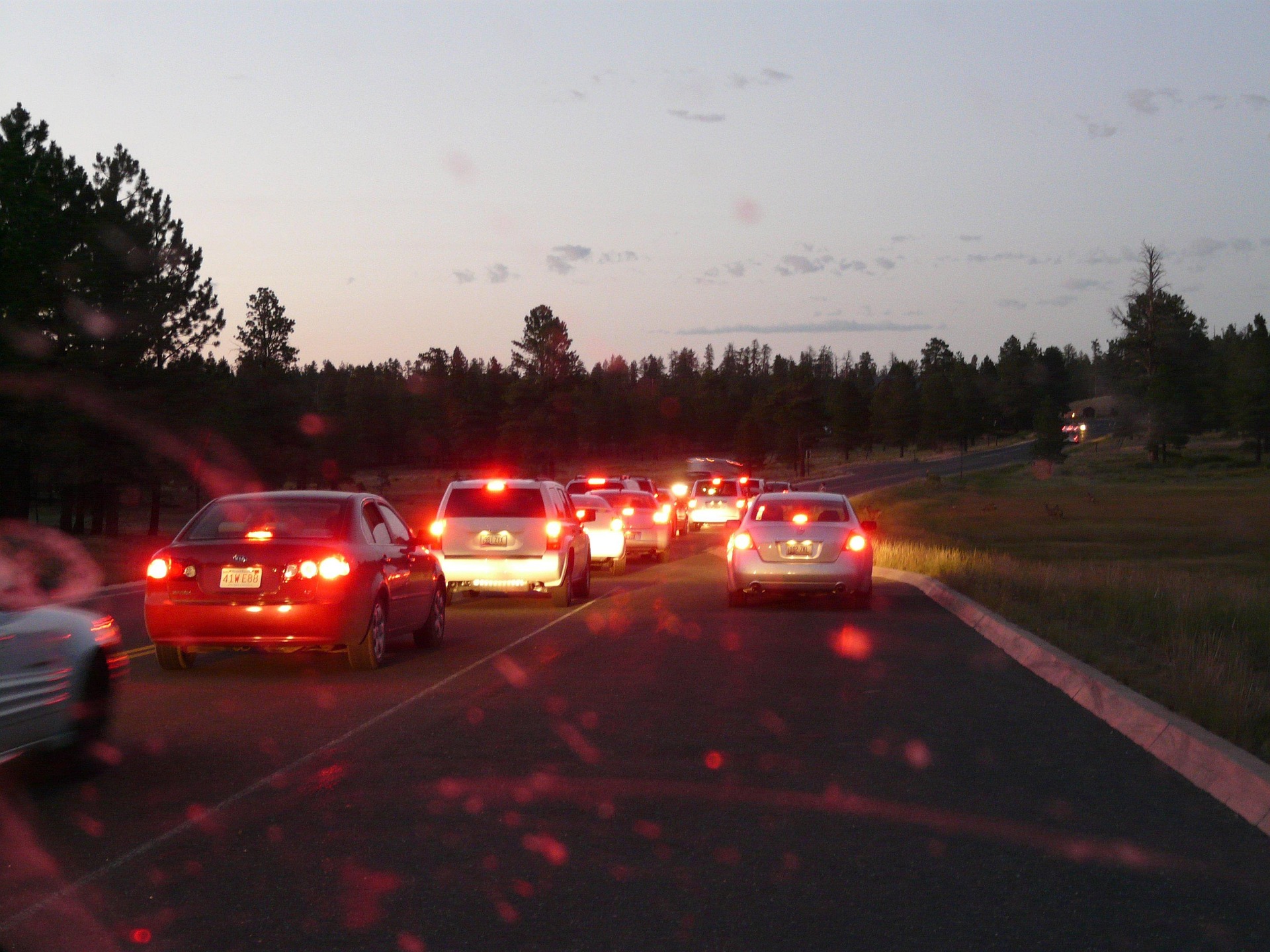
Nepal’s public transport system has a large number of challenges that hinder its effectiveness and efficiency. These challenges must be addressed properly to improve the overall experience for commuters:
-
Overcrowding
-
Many buses, microbuses, and tempos are often overcrowded, especially during peak hours. This not only makes the travel uncomfortable while riding the vehicles but also creates safety risks to passengers.
-
Poor Infrastructure
-
Roads in many areas, especially those in rural areas, are not well-maintained, they are either full of plotholes or are rough. The lack of proper bus terminals, bus stops, shelters, and facilities makes travel much more difficult.
-
Lack of Regulation
-
Public transports in Nepal are often poorly organized. There are issues with the price of fare like some are cheaper whereas some are more expensive, lack of proper licenses of drivers, and untrained drivers, which have impact on passenger safety and service reliability.
-
Traffic Congestion
-
Traffic congestion/jam is a major issue that needs to be addressed, especially in cities like Kathmandu. Poor traffic management, lack of road networks, and an increasing number of vehicles all contribute to delays and longer travel times.
-
Pollution
-
Many public transport vehicles driven nowadays on the road are old and run on older engines that emit harmful gases that are one of the main reasons for pollution. This leads to bad air quality, especially in city areas.
-
Unreliable Schedules
-
Timetables for buses and other public transport are not strictly followed which causes delays and uncertainty for passengers.
-
Limited Accessibility in Rural Areas
-
Public transport services are often lacking in rural areas, making it difficult for people living outside major cities to access important services or travel comfortably.
These challenges must be handled as soon as possible and quickly too, to create a more efficient, reliable, and sustainable public transport system in Nepal. Also check out our blog Nepal's road network progress if you are interested to know about current road network development progress in Nepal.
Role of Technology in Modernizing Public Transport
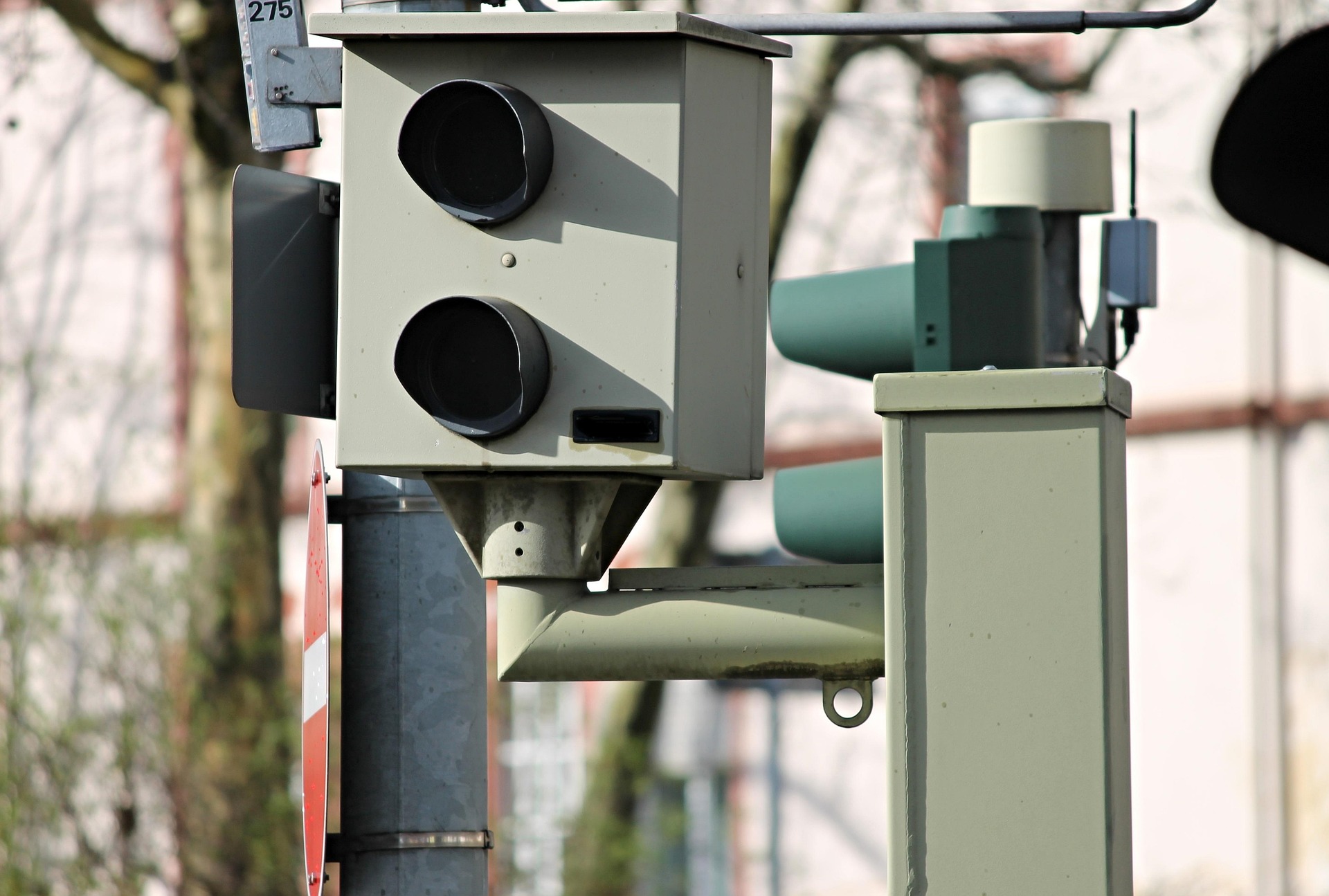
Technology can play quite an important role in transforming Nepal’s public transport system. By combining modern technological things , the country can create solutions for many of the current challenges that Nepal faces and enhance the overall travel experience for commuters.
Below we simply described how technology can help enhance public transport in Nepal:
-
Real-Time Tracking and Information Systems
-
Adding tracking systems like GPS in buses, microbuses, and taxis allows passengers to know the location of vehicles in real-time. This helps the passengers to know when the next bus or taxi will arrive thus lessening their waiting time.
-
Digital Ticketing Systems
-
Usage of digital payment options like mobile apps or smart cards can make the ticketing process more faster, reliable, safer and easier.
-
Traffic Management Solutions
-
Using advanced traffic management systems that have sensors and cameras can help control the flow of traffic, especially in overcrowded city areas.
-
Electric and Green Vehicles
-
Using electric vehicles (EVs) in public transport instead of fuel using vehicles can drastically reduce pollution and dependence on fuels.
-
Integrated Transport Systems
-
Developing a combined transportation network where buses, taxis, microbuses, and even rickshaws work together through a single platform can make commuting more efficient, faster and safer.
-
Vehicle Monitoring
-
There are also technologies like on-board cameras, sensors, and driver monitoring systems which if used can ensure better safety practices for public transport vehicles.
-
Data Analytics for Improving Routes
-
By collecting data such as passenger patterns, vehicle performance, and traffic conditions, transport authorities can improve routes and schedules.
By using such technologies, Nepal's public transport system can be made to be more efficient, reliable, eco-friendly than before, benefiting both commuters and the environment. You can also check out our Government Policies and Incentives that EV owners need to Know About, blog if you are a current EV owner or future EV owner in Nepal.
Conclusion
Improving Nepal's public transport system presents an exciting opportunity to improve the daily lives of commuters while solving key challenges such as overcrowding, inefficient road system, and environmental pollution. By using technology such as real-time tracking, digital ticketing, electric vehicles etc, Nepal can build a more efficient, safer, and sustainable public transport network.
With the right investments and strategies, Nepal can create a future where public transport is modern, reliable, safer and accessible for everyone be it in city or rural areas.
If you are interested to read more such blogs then do check out our blogs page on our Atal Auto site. Or if you are interested in checking out or buying a used car you can also check our used cars page!

