From Policy to Price: How Nepal’s New Leadership Could Reshape the Auto Sector
From Policy to Price: How Nepal’s New Leadership Could Reshape the Auto Sector
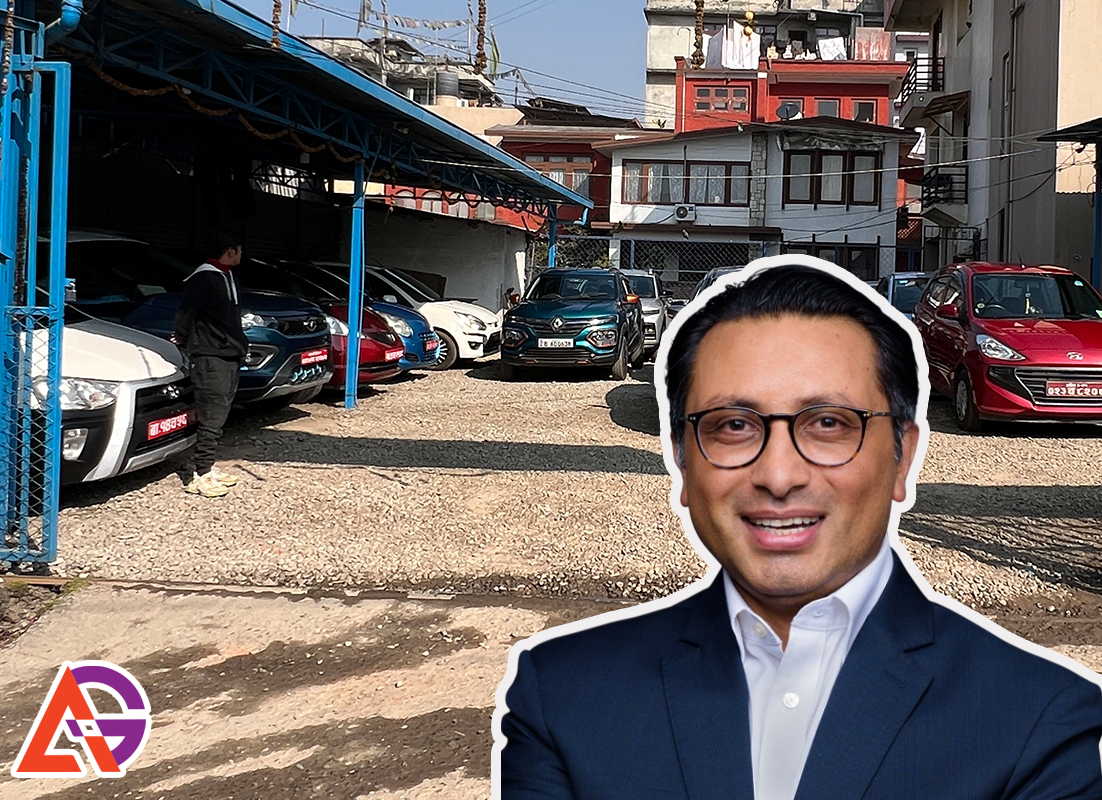
Now that the 2026 general elections are over, Nepal is at a pivotal moment in its history. The "old guard" of Nepali politics has been replaced by a leadership that speaks the language of efficiency, digital transformation, and delivery-based administration with the nomination of Prime Minister Balendra Shah (Balen) and the Rastriya Swatantra Party's (RSP) resounding victory. This change in leadership at Singha Durbar represents more than just a change in personnel for the automotive industry, which is a horizontal sector that affects everything from logistics and tourism to everyday middle-class commuting. It concerns a fundamental shift in the state's perception of a vehicle, which is now seen as a "tool for development" rather than merely a "cash cow" for revenue.
The New Governance Philosophy: A 100-Point Shift
On March 27, 2026, the government announced a 100-point program for governance reform right after the first Cabinet meeting. The shift to "faceless and paperless" governance is the most important lesson for the car industry.
In the past, tax payments, blue book renewals, and car registration have all been a nightmare of bureaucratic red tape. A streamlined, quicker approval process for both importers and assemblers is suggested by the new leadership's pledge to modernize postal services for doorstep document delivery and reduce the number of federal ministries from 22 to 17.
Tax Reform: Beyond the "Luxury" Tag
The NADA Automobile Association of Nepal has been fighting for decades against the government's propensity to raise customs taxes whenever funds were tight. Cars were severely classified as "unproductive luxury goods" under the previous regimes, which resulted in some of the highest import levies worldwide.
Instead of increasing the burden on already-existing sectors, the Shah-led government is under tremendous pressure to expand the tax base. The following are important anticipations for the upcoming FY 2026–2027 Budget:
Policy Stability: The need for a secure tax roadmap spanning five to ten years so that companies can build in service centers and showrooms without worrying about an unexpected 20% duty increase.
Assembling Incentives: The new government is anticipated to offer additional VAT and excise rebates for "Made in Nepal" four-wheelers, as Nepal has already attained self-sufficiency in two-wheeler assembly.
The Electric Revolution: Nepal as a Global Leader
Perhaps the most startling trend in 2026 is that Nepal now ranks second globally in terms of EV market share for new car sales, trailing only Norway. Over 70% of new four-wheelers sold in Nepal are now electric.
Current EV Price Landscape (March 2026)
The transition is driven by price parity and aggressive tax concessions. Here is how the market looks today:
The new leadership’s challenge is no longer "convincing" people to buy EVs, but building the infrastructure to support them. Prime Minister Shah’s focus on urban planning and hydropower utilization aligns perfectly with the need for a nationwide fast-charging network.
Monetary Policy and Interest Rates
Under the 2026 policy framework, the Nepal Rastra Bank (NRB) has kept its policy repo rate at 4.25%. The banking industry is currently experiencing excess liquidity since inflation has steadied at 3.25%.
For the typical automobile customer, this implies:
Reduced Interest Rates: Compared to the double-digit rates of 2023–2024, average auto loan rates are now between 7% and 9%.
LTV Ratios: With a 60% Loan-to-Value (LTV) ratio for both EVs and ICE automobiles, the central bank has levelled the playing field. This is a modest adjustment for EVs (which used to enjoy 80%), but the goal is to shield banks from the quick depreciation of outdated battery technology.
The "Made in Nepal" Dream: Assembling the Future
The shift from an import-based to an assembling-based economy may be the new leadership's most important long-term effect. The "Made in Nepal" idea is already being promoted by businesses like MAW Enterprises (Yamaha/Hyundai) and Sipradi Trading (Tata).s
Component Manufacturing: Rewards for producing tires, batteries, and lubricants locally.
Logistics Efficiency: Lowering "logistics friction" at the borders, which now raises a car's price by 15% to 20%.
Challenges Ahead: The Infrastructure Gap
The physical reality of Nepal's roadways continues to be a barrier, despite the youthful leadership and clear vision. The creation of a "Road Safety Council" and the inclusion of a "Road Safety Act" in the first 100-day policy of the new administration have been explicitly sought by NASA (Nepal Automobiles Association).
The increase in private vehicle ownership, including electric vehicles, will cause severe traffic in the Kathmandu Valley in the absence of sustainable roadways and structured public transportation.
Conclusion: A New Era for the Auto Sector
Predictability characterizes the transition from Policy to Price in 2026. For the first time in ten years, the auto industry is taking part in a "National Commitment" to economic growth rather than merely responding to abrupt government restrictions or tax increases. The Balen Shah administration's five-year agenda has a clear message for the automotive industry: innovate, manufacture locally, and become green. The high costs of the past might eventually give way to a market where mobility is a right rather than a luxury if the government fulfills its promise of an open, "faceless" bureaucracy.

