History of the Royal Enfield Bullet: Why the Name Matters in 2026
History of the Royal Enfield Bullet: Why the Name Matters in 2026
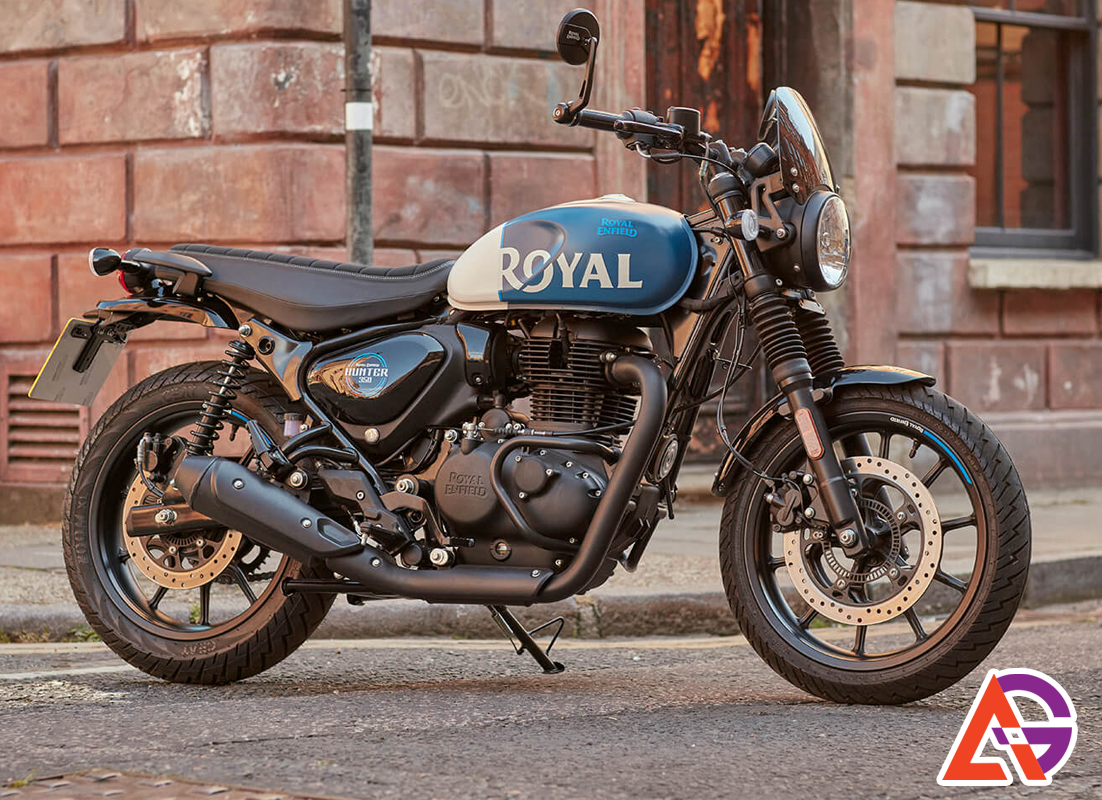
If you’ve ever stood at a traffic light in Kathmandu and felt a deep, rhythmic thump-thump-thump vibrating through the soles of your shoes, you didn't need to look back to know what was idling behind you. In Nepal, we don't just call it a motorcycle; we call it the Bullet.
As we navigate through 2026, a year dominated by silent electric scooters and high-revving plastic-bodied sportbikes, the Royal Enfield Bullet remains an anomaly. It is a piece of heavy metal history that refuses to die. But why does a name coined nearly a century ago still carry so much weight today? To understand the Bullet's soul, we have to look past the chrome and the paint and dig into the grease of its origin.
1. The Weaponized Origin: "Made Like a Gun"
Few people are aware of how literal the slogan was, even though most people are familiar with it. The Enfield Manufacturing Company Ltd. was a subcontractor for the Royal Small Arms Factory in Enfield, London, prior to Royal Enfield producing motorcycles. They were experts in accuracy, producing components for the guns that the British Empire transported all over the world. They dubbed their bicycles "Royal Enfields" in 1893 to commemorate a lucrative contract for rifle parts, and they unveiled the brand that would distinguish them for the next 133 years: "Made Like a Gun, Goes Like a Bullet."The moniker wasn't merely a marketing ploy when the first Royal Enfield Bullet was formally introduced at the Olympia Motorcycle Show in London in 1932. Ballistic accuracy was promised. The Bullet was constructed like a piece of military hardware rugged, uncomplicated, and resilient during a time when engines were frequently brittle and unreliable.
2. The 1950s: How a British Bike Became a Nepali Legend
The most pivotal moment in Bullet history happened in 1952. The Indian Government was looking for a motorcycle rugged enough for its Army and Police to patrol the high-altitude borders of the Himalayas. They needed a bike that could survive the freezing cold, the thin air, and the lack of paved roads. They chose the 350cc Royal Enfield Bullet. The initial order of 800 bikes was so successful that it led to the formation of Enfield India in 1955. While the British factory eventually closed its doors in the 1970s, the Bullet lived on in India, preserved in a sort of "mechanical time capsule." In Nepal, the Bullet became the ultimate symbol of the "Raja Gaadi" (The King's Vehicle). It wasn't just a bike; it was a sign of status, power, and the ability to conquer the rough trails of the Manang or Mustang long before "adventure biking" was a trendy term.
3. Why the Name Still Matters in 2026
The era of sensors, ECUs, and "ride-by-wire" throttles is upon us. Modern bikes are ideal, yet they may also be rather dull at times. The Bullet is not like that. Every combustion is felt when riding a 2026 Bullet 350 (the J-Series or the vintage Standard). In a digital world, it's an analog experience. The term "Bullet" refers to the unadulterated, mechanical bond that Nepali riders still yearn for. The "Thump" Community.” Bullet" serves as a password. Riding one makes you a member of a brotherhood rather than merely a commuter. If you're on a Bullet, you have something to discuss whether you're at a teahouse in Mugling or a workshop in Teku. The common experience of "taming" the machine is the foundation of this culture.
4. The 2026 Shift: Modernity Meets Metal
In 2026, Royal Enfield has done something impossible: they’ve modernized the bike without killing the name. The latest models, like the Bullet 350 Standard Black Gold, feature:
• Refined J-Series Engines: No more "leaking oil" or "bolts falling off." It’s smooth, but it still has that signature heavy-flywheel feel.
• The Dual-Channel ABS: Safety that doesn't ruin the vintage aesthetic.
• Fuel Injection (FI): No more struggling with the choke on a cold morning in Nagarkot.
But even with these updates, the tank is still hand-pinstriped (the legendary Madras Stripes). The name matters because it represents a brand that refuses to sell its soul to plastic and cheap mass production.
In the final analysis, choosing a bike for Nepal’s unpredictable terrain isn't just about comparing horsepower—it’s about finding a machine that understands the specific grit of a Kathmandu commute and the profound silence of a Himalayan pass. Whether you’re leaning toward the fuel-sipping efficiency of a Pathao-ready Hero Splendor, the refined comfort of a Honda Shine, or the historic, "made like a gun" soul of a Royal Enfield Bullet, your choice is a vivid reflection of how you want to experience the road. At Atal Auto, we take immense pride in being more than just a marketplace; we are the digital gateway that ensures your next ride is backed by transparency, verified histories, and a deep-rooted passion for the local motorcycling culture.
As we move through 2026, the road ahead may be rough, but with the right bike beneath you and a trusted partner by your side, every kilometer becomes a deliberate part of your own legendary story. We don't just facilitate a transaction; we bridge the gap between mechanical history and your future journeys, ensuring that when you hit the starter, you aren't just starting an engine—you’re continuing a legacy of resilience and freedom on two wheels.

