Hyundai Ioniq 3 Price, Range, Battery Size & Fast Charging: Full Details
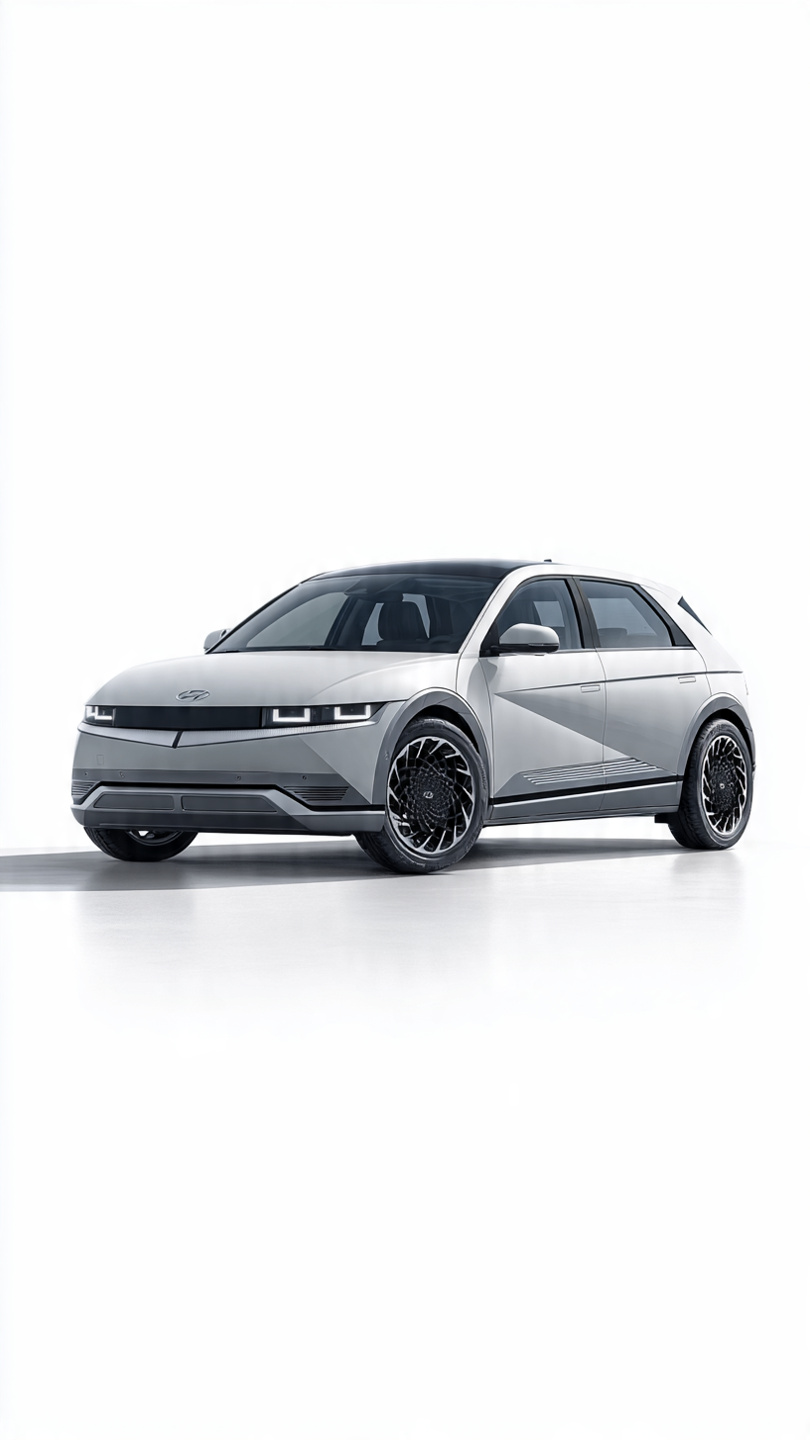
Hyundai just pulled the covers off the Ioniq 3, and if you’ve been waiting for a compact EV that doesn’t feel like a compromise, this might be the one. I spent the morning with the spec sheet, talked to two dealers who’ve already seen dealer-training cars, and cross-checked the early WLTP filings. Here’s what actually matters if you’re thinking of putting money down.
First Impressions: Where the Ioniq 3 Sits in Hyundai’s Lineup
The Ioniq 3 slots in right below the Ioniq 5. Think of it as Hyundai’s answer to the Kia EV3, Volvo EX30, and BYD Atto 3. It’s 4.3 meters long, so parking in Kathmandu’s tighter lanes won’t be a nightmare, yet the wheelbase is stretched enough that rear legroom doesn’t punish your passengers. The design keeps the Ioniq family’s pixel LED theme but ditches the retro hatchback vibe of the 5 for something cleaner. In person, it looks wider than it is. That’s a good thing.
Hyundai is pitching this as a “global compact EV”, which in plain English means they engineered it for Europe’s B-segment, Asia’s crowded cities, and North America’s suburbs at the same time. That usually leads to compromises, but the spec sheet suggests they may have threaded the needle.
Battery Size & Performance
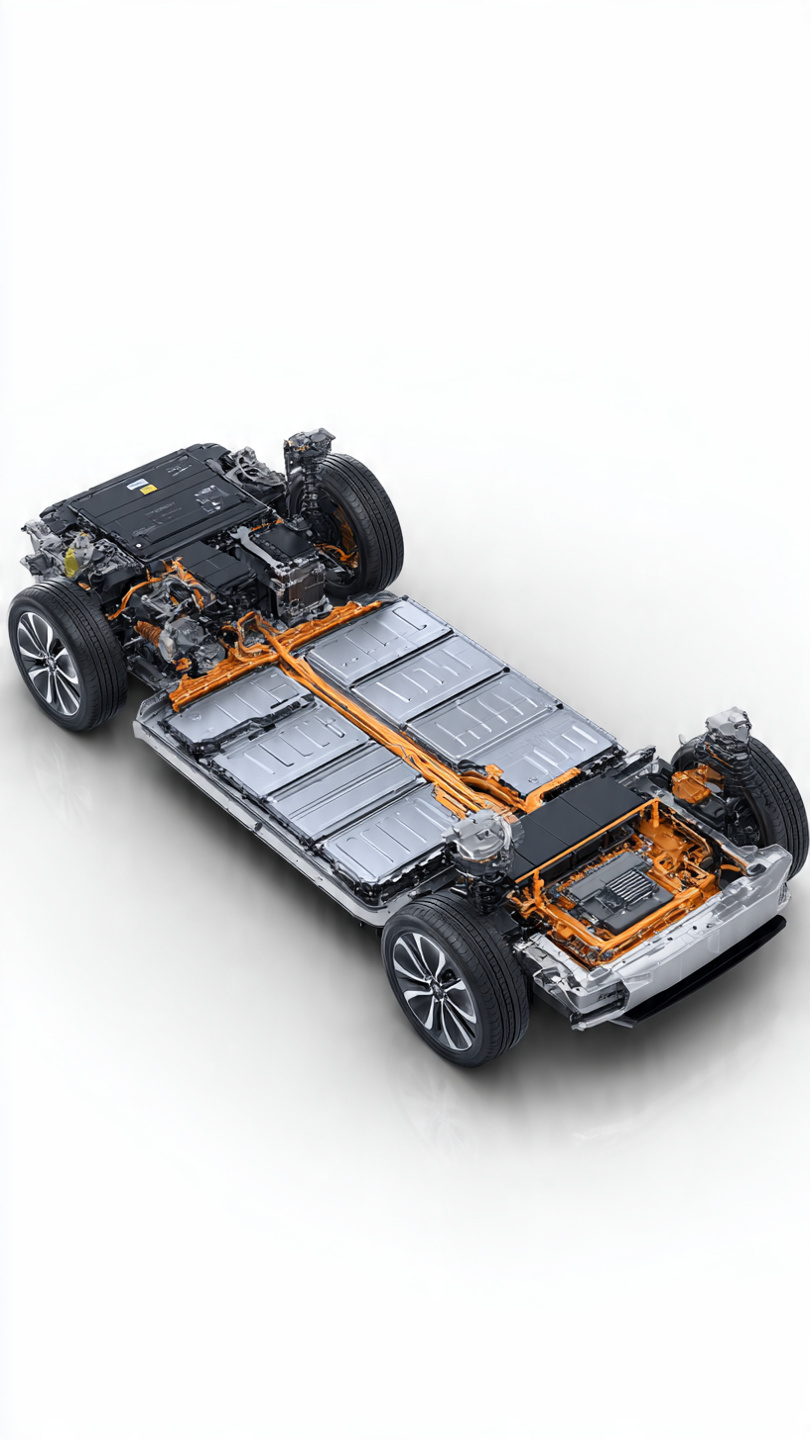
Hyundai is sticking to a two-tier battery strategy to balance cost and capability. Both versions utilize a 400V architecture on the proven E-GMP platform.
| Battery Type | Capacity | Range (WLTP) | Power Output |
| Standard Range | 42.2 kWh | ~344 km (214 miles) | 147 hp (108 kW) |
| Long Range | 61.0 kWh | ~496 km (308 miles) | 135 hp (100 kW) |
Performance: Not a Hot Hatch, But Not Slow Either
The single-motor RWD makes 150 kW (204 PS) and 350 Nm. 0-100 km/h is 7.4 seconds. The dual-motor AWD bumps that to 225 kW (305 PS) and 605 Nm, dropping 0-100 to 5.3 seconds.
That RWD number matters because it’s right in the sweet spot. Quick enough to merge on the Prithvi Highway without anxiety, but not so quick that you’re constantly spinning tires in the rain. The AWD is more about hill starts and gravel roads than drag racing. Hyundai says it can handle 30% gradients, which covers most of Nagarkot and Chitlang without drama.
Ride quality targets European tastes: firm but not crashy. The rear uses a multi-link setup, not a torsion beam, so bad patches on the Araniko Highway shouldn’t toss the rear end around. Ground clearance is 163 mm. That’s 3 mm more than an Atto 3 and 17 mm less than a Nexon EV. Speed bumps won’t be an issue, but don’t take it rock crawling.
Interior and Tech: Small Car, Big Screen Energy
Inside, you get the same dual 12.3-inch screens from the Ioniq 5. The UI is Hyundai’s latest ccNC system, which finally supports wireless Android Auto and Apple CarPlay. The voice assistant now handles “Hey Hyundai, pre-condition battery for charging” which saves you 5-6 minutes at a DC charger in winter.
Sustainable materials are everywhere: recycled PET seats, bio-paint on the doors, even the carpets use old fishing nets. It sounds like marketing until you sit in it. The fabric feels like a good office chair, not a recycled bottle.
Rear seat space is the surprise. I’m 5’11” and I can sit behind my own driving position with 4 fingers of knee room. The floor is flat, and the seat base is high enough that you’re not in a knees-up position like some EVs. Boot space is 460 L, expanding to 1,350 L with seats down. There’s a 27 L frunk for charging cables.
ADAS is standard from the mid trim up: adaptive cruise, lane centering, blind spot monitoring, and Hyundai’s Highway Driving Assist 2. It will change lanes for you if you tap the indicator. On Indian-spec cars it’s usually tuned out, but global spec keeps it. Nepal will likely get the global tune.
Estimated price conversion without tax:
|
Market |
Std Range RWD |
Long Range RWD |
Long Range AWD |
|---|
|
Nepal (with 10% customs + 13% VAT) |
NPR 58 lakh |
NPR 66 lakh |
NPR 71 lakh |

