MG EV Review 2025: Is It Worth Buying in Nepal
MG EV Review 2025: Is It Worth Buying in Nepal
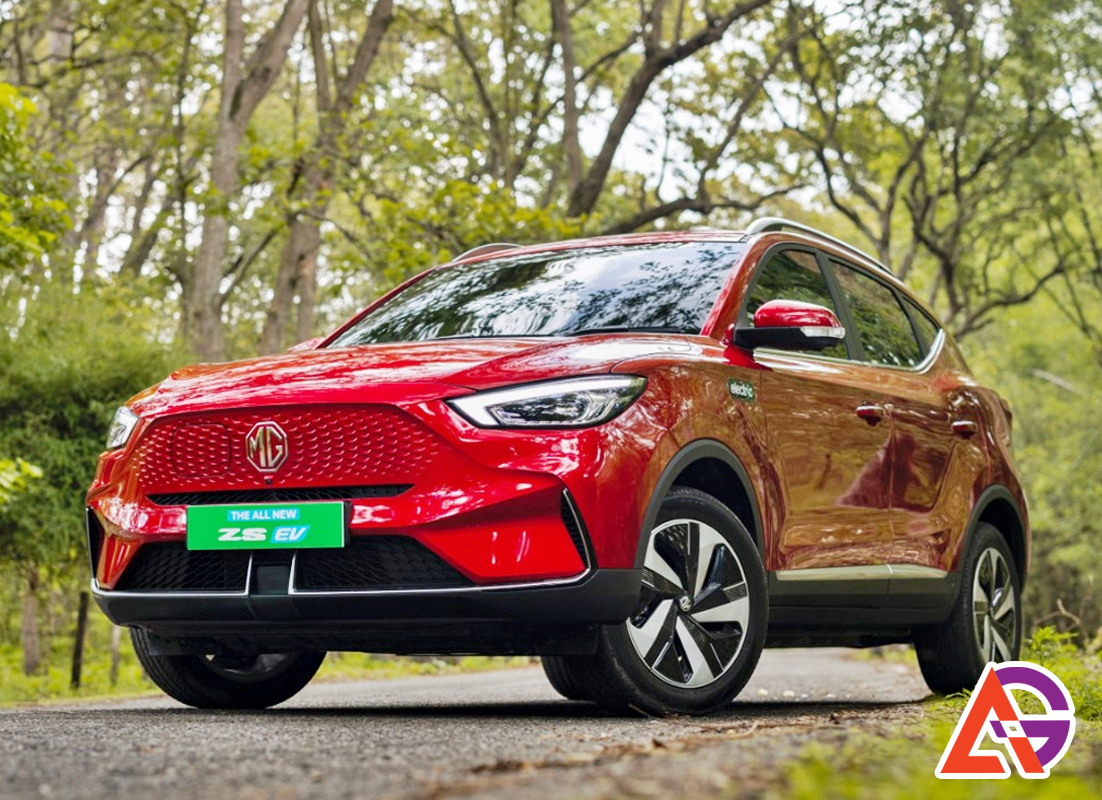
Electric vehicles have come a long way in Nepal. A few years back, most people were unsure whether an EV could handle our roads, our hills, and our day-to-day lifestyle. Today the story is different. Charging stations are spreading fast, import taxes are more favorable, and drivers have started trusting EVs for daily use. Among all the brands that entered the Nepali market, MG has been one of the most talked-about. Their EV models became popular because they offered good features at a price people could justify. But now that we’re in 2025, the big question is simple: Is the MG EV still worth buying?
Many buyers are trying to make a long-term decision. Fuel prices rise every year. Maintenance costs for petrol cars don’t get any cheaper. EVs look attractive, but nobody wants to invest in the wrong model. So, let’s break it down properly. This review takes a clear, grounded look at MG’s electric vehicles, focusing on what Nepali buyers care about most: range, practicality, performance, cost, after-sales service, and overall value. This isn’t a sales pitch. It’s a straightforward assessment of whether the MG EV still holds its place in the Nepali market.
How MG Built Its Reputation in Nepal
Before diving into the 2025 updates, it helps to understand why MG EVs became well-known in the first place. When MG launched its EV here, there weren’t many options. Most buyers had to choose between a handful of Chinese brands or very expensive premium EVs. MG positioned itself in the middle. The cars weren’t cheap, but they weren’t overpriced either. They came with clean design, a spacious interior, and features people didn’t expect at that price point. Nepali families liked it because it felt familiar. It looked like a real family car, not a tiny city vehicle. It had a proper boot space, good seating height, and a comfortable cabin. MG didn’t try to look futuristic just for marketing. They kept things simple and practical, which is why many owners still speak highly of the brand.
Design and Build Quality
One thing MG always gets right is the look and feel of the car. The 2025 lineup continues that tradition. The shape remains familiar, with small updates that make it look cleaner and more refined. It still has that sturdy, confident appearance many Nepali buyers prefer. Nothing flashy. Nothing exaggerated. Just a solid design that ages well.The build quality is better than what people expect from this price range. The doors feel firm, the cabin materials are practical, and the overall finish gives a sense of longevity. Nepali drivers care about that because our roads aren’t gentle on vehicles. A car that feels fragile doesn’t last long here. The MG EV balances comfort with durability. The seats offer good support, the dashboard layout is straightforward, and visibility is excellent. For daily commuting and family use, the design fully meets the mark.
Performance on Nepali Roads
Performance matters more in Nepal than in most places. Our roads shift between smooth, rough, narrow, steep, and unpredictable within minutes. Vehicles that perform well in flat cities struggle in places like Dhulikhel, Nagarkot, Kakani, or even the inclines inside Kathmandu. MG EVs handle city driving easily. The acceleration is smooth, and the instant torque of an electric motor makes traffic navigation effortless. Even beginners feel comfortable behind the wheel. The steering has a balanced feel not too light, not too heavy. On highways and hills, the MG EV performs better than what many expect. The power delivery is steady, and the car maintains speed on uphill roads without strain. It’s not built for spirited driving, but it gets the job done without hesitation. Overtaking takes a little planning, but that’s common for EVs in this category. Filtering through traffic is easy, parking is simple, and the turning radius works well for tight Kathmandu corners. Overall, the performance makes daily driving calm and predictable.
Range and Battery Life
Range anxiety is the biggest concern for Nepali EV buyers, but MG has managed to reduce that fear over the years. The 2025 models deliver improved battery efficiency, and users consistently report reliable real-world performance. The actual range varies depending on driving style, load, and weather, but the MG EV comfortably handles city commutes, weekend trips, and occasional highway drives.
For most families, charging the car a few times a week is enough. The range is more than adequate for:
- Office commutes
- School drops
- Shopping runs
- Airport pickups
- Weekend trips around the valley
Even longer drives are possible with proper planning. Charging stations along highways are growing steadily, making EV travel easier than before.Battery degradation is minimal. Owners who purchased earlier models report very stable battery performance even after years of use. That gives confidence to new buyers considering the 2025 version.
Charging Convenience
Charging used to be a headache in the early days of EVs in Nepal, but things have changed dramatically. Home charging is now the main convenience for MG owners. Plug it in overnight, and it’s ready by morning. You never need to stop at a petrol pump again, which feels strange at first but becomes a big advantage later. Fast charging is the other major benefit. MG’s charging system supports rapid charging, which is helpful during long trips. More stations keep opening around Kathmandu, Pokhara, Chitwan, and major highways. The network isn’t perfect yet, but it has expanded enough for practical use. For most people, charging is no longer a worry. It’s easy, predictable, and inexpensive.
Interior Features and Comfort
MG has always focused on interior comfort, and the 2025 EV keeps that reputation intact. The cabin feels open and spacious, offering enough legroom and headroom for Nepali families, while the seats strike a good balance between softness for long drives and firmness for proper support. The infotainment system is quick to respond and easy to navigate, with Bluetooth, navigation, Apple CarPlay, and Android Auto making everyday use straightforward. The sound system performs well, and the air conditioning cools the cabin fast. Safety features add another layer of confidence, with multiple airbags, a rear camera, ABS, stability control, parking sensors, and hill-start assist available depending on the variant. Altogether, these features make the MG EV feel secure and reassuring, especially on steep or busy roads.
Maintenance and Running Costs
This is where the MG EV shines. Electric vehicles save owners huge money in the long run. No engine oil. No radiator issues. No clutch repairs. No fuel. Maintenance is minimal, and the parts that do require attention are far cheaper than those in petrol cars. Regular servicing mostly includes basic checks, cleaning, and software updates. The biggest saving comes from skipping the petrol pump. Charging costs are far lower than fuel expenses. For daily Kathmandu users, monthly savings can be significant. If someone buys an MG EV for long-term use, the running cost becomes one of its strongest reasons to choose it over petrol or diesel cars.
After-Sales Service and Support
MG’s service network has grown steadily in Nepal. While it still can’t compete with brands like Hyundai in terms of coverage, the improvement is noticeable. Service centers are more organized now, and spare parts availability is better than before. Most owners describe their experience as smooth. The service teams handle EV-related issues confidently, and the brand has improved communication with customers. These small things matter when you're investing in a modern vehicle.
Real-World Ownership Experience
Real feedback from owners usually gives the clearest picture of any vehicle, and the MG EV is no exception. Most owners appreciate its low running cost, comfortable cabin, reliable range, smooth driving feel, minimal maintenance needs, and the solid road presence it carries. At the same time, they mention a few areas that could improve, such as expanding service centers beyond Kathmandu, the suspension feeling a bit soft on very rough roads, and occasional variations in fast-charging speed depending on the station. None of these points are serious drawbacks. They’re simply honest remarks from people who use the car daily. Overall, the ownership experience remains consistently positive.
Is It Worth Buying in 2025?
Buying an MG EV in 2025 makes sense for most Nepali drivers because it hits the right balance between affordability, comfort, and day-to-day practicality. The running cost is one of its biggest strengths; you save a noticeable amount every month simply by avoiding petrol expenses and minimizing maintenance. Inside, the cabin feels comfortable enough for long commutes and family trips, and the range is reliable for daily use around Kathmandu or short drives to places like Bhaktapur, Lalitpur, or nearby hillside towns. What really sets it apart is that the MG EV has already proven itself on Nepali roads. It’s not an untested model or a new experiment. Thousands of owners have driven it over the years, giving it a track record that new EV brands still lack.
Of course, it isn’t for everyone. If someone expects sports-car performance or needs extremely long range for frequent cross-country travel, this isn’t the car that will impress them. But for most Nepali families, professionals, and anyone tired of pouring money into fuel and constant servicing, the MG EV continues to deliver solid value. It offers a dependable drive, low ownership cost, and the kind of comfort people actually use every day. That’s why it remains one of the most sensible and reliable choices for Nepali buyers in 2025.

