Tata Nexon EV in Nepal: A Complete Guide for 2025
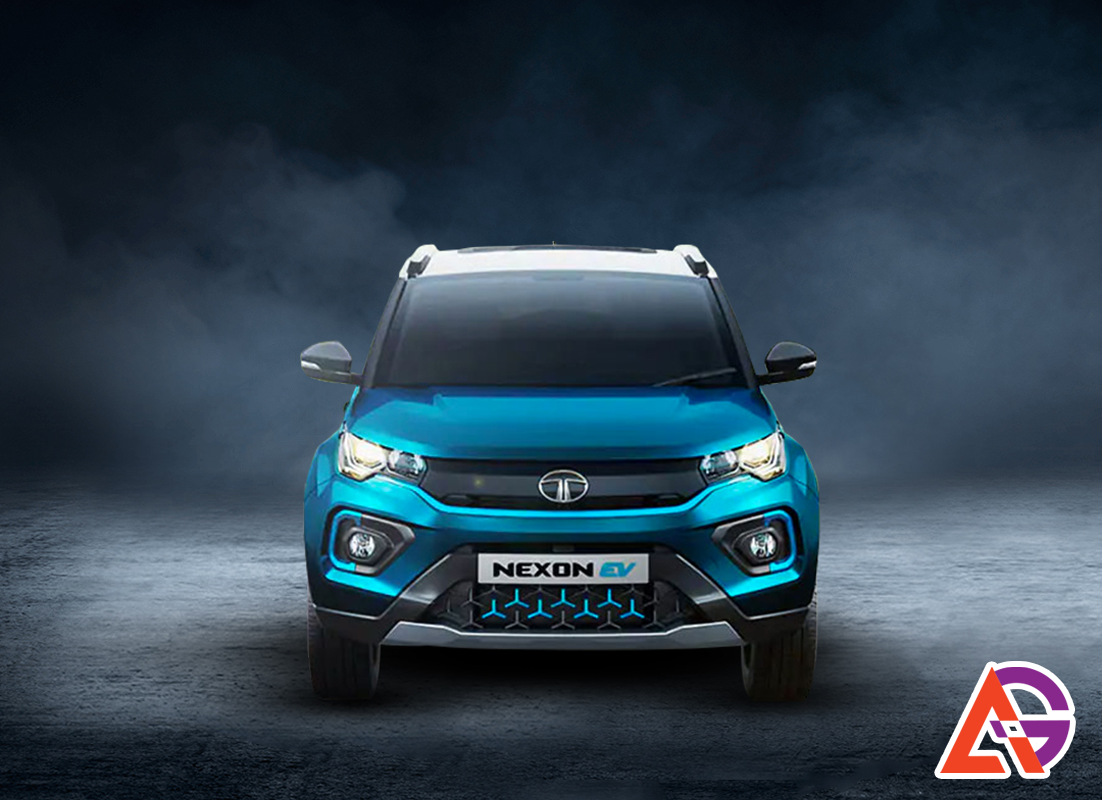
The Tata Nexon EV has become one of the most talked-about and sought-after electric SUVs in Nepal. As awareness of electric vehicles grows across the country, more Nepali drivers are looking for alternatives to traditional petrol and diesel cars, and the Nexon EV stands out as a compelling choice. This compact SUV combines practicality, safety, modern technology, and eco-friendliness, making it an attractive option for urban families, daily commuters, and anyone looking to reduce their carbon footprint. Its popularity is not simply because it runs on electricity but because it provides tangible benefits in everyday use while offering a driving experience that feels smooth, quiet, and comfortable compared to conventional vehicles.
One of the key aspects that makes the Nexon EV appealing is its performance. Powered by a high-efficiency electric motor and a lithium-ion battery, it delivers instant torque, which translates into smooth acceleration without the jerks or delays often experienced in petrol or diesel cars. This makes city driving in congested areas like Kathmandu far more pleasant, as the vehicle responds quickly to driver inputs without requiring multiple gear shifts. Additionally, its electric drivetrain is inherently low-maintenance. With fewer moving parts than a combustion engine, the Nexon EV reduces the costs associated with oil changes, exhaust maintenance, and engine servicing. Over time, this translates into significant savings for owners and a lower hassle factor in terms of upkeep.
The design and engineering of the Nexon EV also contribute to its suitability for Nepali roads. With a ground clearance that allows it to navigate speed bumps, potholes, and uneven terrain comfortably, it handles the mix of urban and semi-urban roads efficiently. The battery is placed under the floor, which lowers the SUV’s center of gravity. This provides added stability during cornering and reduces the risk of rollovers—a notable advantage given the hilly terrain that is common in many parts of Nepal. Its compact dimensions make parking in tight urban spaces easier while still offering a spacious cabin suitable for family use.
Safety is another area where the Nexon EV excels. The vehicle comes equipped with standard features such as dual front airbags, ABS with EBD, and electronic stability control. Higher variants offer additional safety features like side and curtain airbags, which enhance protection for passengers in case of an accident. For many Nepali families, these features are essential, providing reassurance when navigating busy city streets, rural highways, or mountainous roads. Beyond airbags and braking systems, the vehicle’s structure itself is robust, designed to absorb impact and protect occupants, which contributes to its reputation as a safe and reliable SUV.
Comfort and convenience have also been prioritized in the Nexon EV. Inside the cabin, passengers find spacious seating with adequate legroom and headroom, making longer journeys more pleasant. The infotainment system is modern and intuitive, with a touchscreen interface that supports smartphone connectivity, navigation, and entertainment features. Climate control ensures that the cabin remains comfortable regardless of the weather outside, which is particularly important in Nepal’s diverse climate zones. Features like keyless entry, push-button start, and multifunction steering controls enhance daily usability, making the SUV feel more sophisticated than many traditional vehicles in the same price range.
Another critical factor contributing to the Nexon EV’s appeal in Nepal is the environmental benefit it offers. By running entirely on electricity, the vehicle produces zero tailpipe emissions, which helps reduce urban air pollution—a growing concern in cities like Kathmandu. The shift from petrol and diesel vehicles to electric alternatives like the Nexon EV aligns with global efforts to reduce greenhouse gas emissions and promote sustainable transportation. For eco-conscious Nepali drivers, this is a compelling reason to consider the switch.
The cost factor is also worth noting. While the initial purchase price of the Nexon EV is higher than that of basic petrol or diesel cars, the overall cost of ownership tends to be lower over time. Electricity is significantly cheaper than petrol or diesel, and the reduced maintenance requirements translate into additional savings. Furthermore, the vehicle comes with warranty coverage for its motor and battery, giving buyers peace of mind about potential long-term issues. For many urban drivers who primarily commute within the city, these cost savings make the higher upfront price a worthwhile investment.
The charging experience of the Nexon EV is also user-friendly. Owners can charge the vehicle using a standard household socket, which is sufficient for overnight charging and daily commuting. For faster charging, quick-charge stations available in major cities can replenish the battery to 80% capacity in approximately an hour. While the charging infrastructure is still developing in Nepal, the increasing number of stations and the flexibility of home charging make the transition to electric vehicles more feasible for city residents. It’s a solution that works well for most daily needs while the infrastructure continues to expand.
Driving the Nexon EV is also an enjoyable experience in itself. The absence of engine noise creates a quieter, calmer environment inside the cabin, which reduces fatigue during daily commutes. Acceleration is smooth and responsive, and regenerative braking provides both efficiency and a sense of control. The SUV handles urban traffic, hilly roads, and uneven surfaces with confidence, making it versatile enough for a variety of driving conditions found across Nepal. This balance between performance, comfort, and eco-friendliness is a significant reason why it appeals to so many Nepali buyers.
For families, the Nexon EV provides ample practicality. Its boot space is sufficient for groceries, luggage, or sports equipment, and the rear seats can be folded down for additional cargo space when required. Daily errands, school runs, and weekend trips become convenient, and the SUV’s modern interior ensures that every journey is comfortable. These features combine to make it a practical vehicle for everyday life while retaining the efficiency and environmental benefits of an electric car.
It’s also worth mentioning the long-term perspective. As Nepal gradually shifts toward more sustainable transportation solutions, owning an electric vehicle like the Nexon EV positions drivers ahead of the curve. With rising fuel costs and growing environmental concerns, EVs are likely to become more mainstream in the coming years. Early adopters benefit not just from the vehicle’s immediate advantages, such as lower running costs and smoother performance, but also from being part of a shift toward cleaner, smarter transportation.
Of course, potential buyers should consider some limitations. Charging stations outside major urban centers are still limited, which could pose challenges for longer trips. The real-world range can vary based on terrain, load, and driving style, so careful planning is necessary for intercity or mountainous travel. However, for drivers who primarily navigate city streets, suburban areas, or short regional routes, these limitations are manageable and do not outweigh the benefits of ownership.
Why the Tata Nexon EV Stands Out
The Nexon EV isn’t just another electric car. It has carved a niche for itself in Nepal by offering features and benefits that cater specifically to the needs of city and semi-urban drivers. Its battery system and electric motor provide a strong balance between performance and efficiency. With a claimed range of about 300 kilometers on a full charge, it is more than capable of handling daily commuting in cities like Kathmandu or Pokhara, as well as occasional trips to nearby towns. While driving conditions in Nepal vary due to hilly terrain and uneven roads, the Nexon EV’s robust design and stability make it suitable for most urban and semi-urban routes.
Charging the Nexon EV is straightforward. For many, a standard household socket is sufficient for overnight charging, while fast chargers available in major cities allow up to 80% charge in about an hour. This flexibility makes it easier for drivers to adapt to an electric lifestyle even with limited charging infrastructure. As EV adoption grows in Nepal, more charging stations are gradually appearing, further enhancing the convenience of owning a Nexon EV.
Performance and Handling
The Nexon EV is powered by a high-efficiency electric motor paired with a 30.2 kWh lithium-ion battery. Its performance is smooth, quiet, and responsive. Unlike petrol or diesel engines that require frequent gear changes and maintenance, the electric motor provides instant torque, giving the SUV a smooth acceleration experience. Its low center of gravity, thanks to the battery placement under the floor, improves stability, making it easier to handle sharp turns and hilly roads. This is particularly beneficial in Nepal, where roads can vary from well-paved highways to uneven city streets.
The ground clearance of the Nexon EV is another plus for Nepali drivers. It is high enough to comfortably navigate speed bumps, potholes, and rough patches common in city traffic while maintaining a stable ride. Steering and braking are precise, and the regenerative braking system helps in maintaining efficiency while adding to safety.
Safety Features
Safety is a crucial factor for Nepali drivers, and the Nexon EV does not disappoint. It comes equipped with dual front airbags, ABS with EBD, electronic stability control, and corner stability control. Some higher variants offer additional airbags for enhanced protection. The sturdy body structure, combined with the low center of gravity, makes it less prone to rollovers and provides better handling in emergency situations. For families, these safety features offer peace of mind, especially when navigating busy city roads or hilly terrain outside the city.
Comfort and Interior
Inside the Tata Nexon EV, drivers and passengers are treated to a comfortable and modern cabin. The SUV offers spacious seating, allowing adults to sit comfortably in both the front and rear seats. The infotainment system is touchscreen-enabled and supports smartphone connectivity, making it easy to access music, navigation, and calls on the go. Climate control ensures a pleasant cabin environment, while the overall interior design combines functionality with style. For long drives, the cabin provides enough legroom and headroom to make journeys less tiring.
The Nexon EV also focuses on convenience. Features like keyless entry, push-button start, and a multifunction steering wheel make everyday use simple. The vehicle’s boot space is practical for family trips or grocery runs, and the folding rear seats offer flexibility for larger cargo when needed.
Cost and Ownership Benefits
One of the strongest selling points of the Nexon EV is the long-term cost benefit. While the initial purchase price may be higher than entry-level petrol or diesel cars, the running costs are significantly lower. Electricity is cheaper than fuel, and maintenance is simpler because the electric motor has fewer moving parts than a traditional combustion engine. There are no oil changes or exhaust system issues, which reduces both time and money spent on regular servicing.
Additionally, the vehicle comes with warranty coverage for the battery and motor, giving buyers confidence in their investment. For Nepali drivers, especially in urban areas, these savings and peace of mind can make the higher upfront cost worthwhile over the long run.
Environmental Impact
The Nexon EV is an eco-friendly alternative to traditional cars. By using electricity instead of petrol or diesel, it reduces carbon emissions and helps improve air quality. This is especially important in Nepal, where urban pollution is a growing concern. Choosing an EV like the Nexon also supports global efforts to reduce dependency on fossil fuels and transition towards cleaner energy solutions.
Charging Infrastructure in Nepal
While EV adoption is growing, the charging infrastructure in Nepal is still developing. Most major cities now have public charging points, but they are less common in rural areas. This means that for drivers living outside Kathmandu, Pokhara, or other urban hubs, it is essential to plan charging stops carefully. Many Nexon EV owners charge their vehicles overnight at home using standard outlets, which works well for daily commuting and local drives. As the government and private companies invest in expanding the charging network, long-distance EV travel will become even more practical.
Who Should Buy the Tata Nexon EV
The Nexon EV is best suited for city dwellers or drivers who frequently travel on urban or semi-urban roads. Families looking for a reliable, safe, and eco-friendly vehicle will find it an appealing option. Its smooth performance, modern features, and reasonable range make it perfect for daily commuting, school runs, or weekend outings.
However, drivers who frequently travel to remote or rural areas should consider the current limitations of the charging infrastructure. Planning long trips requires extra care, and areas without charging stations can pose challenges. For those who drive mostly within cities, the Nexon EV is an excellent choice that combines convenience, savings, and environmental responsibility.

