Tips to Reduce Sound Pollution and Air Pollution While Driving Vehicles in Kathmandu
Tips to Reduce Sound Pollution and Air Pollution While Driving Vehicles in Kathmandu
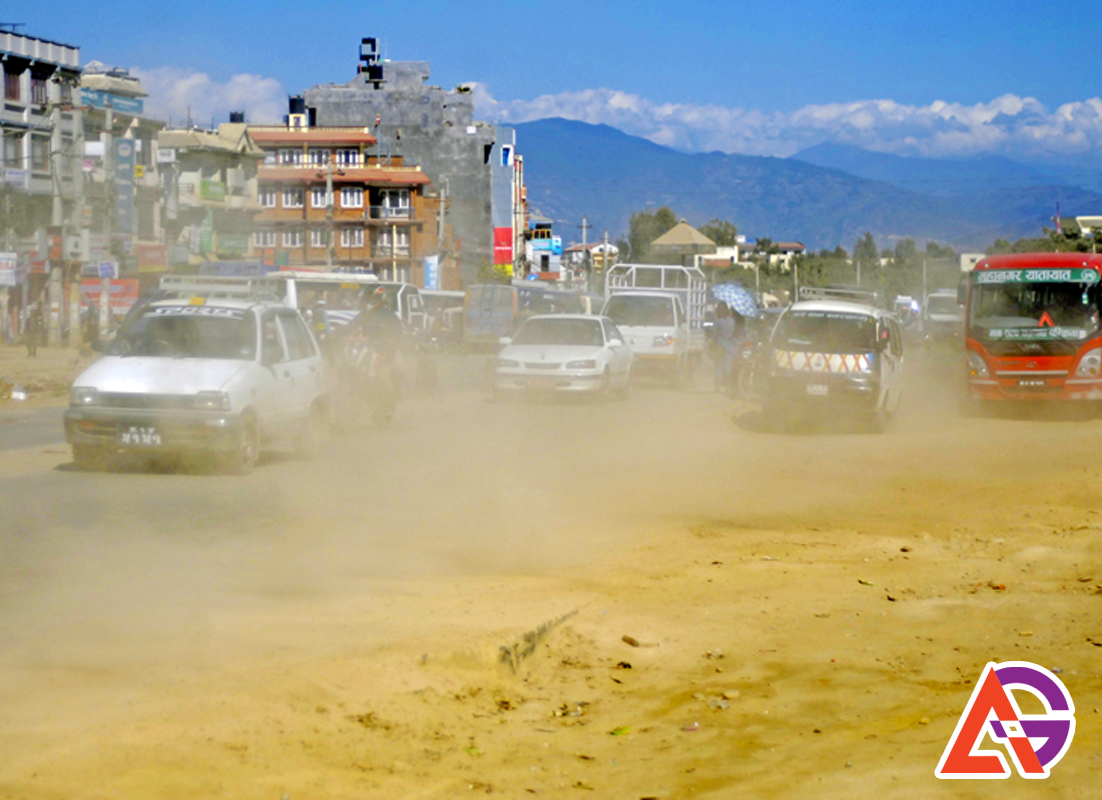
Kathmandu is a city full of life, history, and movement. From early morning to late night, its roads remain busy with motorcycles, cars, buses, microbuses, and trucks moving through narrow streets and crowded intersections. While this constant movement keeps the city alive, it also brings two serious problems that affect daily life: air pollution and sound pollution. Thick smoke from vehicle exhaust and the continuous noise of horns and engines have become so common that many people accept them as normal. However, these forms of pollution have a direct impact on health, environment, and overall quality of life. The good news is that drivers themselves can make a big difference. Small changes in driving habits and vehicle care can significantly reduce both air and sound pollution in Kathmandu.
Air pollution in Kathmandu is largely caused by vehicle emissions. Old engines, poor fuel quality, traffic congestion, and lack of regular maintenance all contribute to the thick haze that often covers the valley. When vehicles release smoke filled with harmful gases and fine particles, it affects everyone, especially children, elderly people, and those with breathing problems. Drivers can help reduce this by paying attention to regular vehicle maintenance. A well-maintained engine burns fuel more efficiently, producing less smoke. Simple actions like changing engine oil on time, cleaning or replacing air filters, and checking spark plugs can greatly reduce harmful emissions. Many drivers ignore these tasks to save money, but in the long run, proper maintenance actually saves fuel and repair costs while protecting the environment.
Another major cause of air pollution while driving in Kathmandu is unnecessary idling. Traffic jams are common in places like Kalanki, Koteshwor, New Road, and Ring Road, and drivers often keep their engines running even when vehicles are not moving. This wastes fuel and releases harmful gases into the air. Turning off the engine during long stops, such as at railway crossings, traffic signals, or roadside waiting, can reduce pollution significantly. Although it may seem like a small action, if thousands of drivers do this every day, the positive impact on air quality would be noticeable. Reducing idling also lowers fuel consumption, which is beneficial for drivers’ expenses.
Driving style also plays an important role in controlling air pollution. Aggressive driving, such as sudden acceleration, racing between signals, and hard braking, causes engines to burn more fuel and release more emissions. In Kathmandu’s crowded roads, smooth and calm driving is not only safer but also cleaner. Maintaining a steady speed, changing gears properly, and anticipating traffic flow can reduce fuel use and pollution. When drivers rush unnecessarily, they increase both smoke and noise, adding to the city’s pollution burden.
Vehicle overloading is another common issue in Kathmandu, especially with public transport and goods vehicles. When a vehicle carries more weight than it is designed for, the engine has to work harder, burning more fuel and producing more smoke. Overloaded vehicles are often seen emitting thick black exhaust, which is extremely harmful to air quality. Following load limits and avoiding unnecessary cargo can reduce this problem. Responsible driving is not just about reaching the destination quickly, but about doing so in a way that does not harm others.
Fuel quality also matters greatly. Using low-quality or adulterated fuel can damage engines and increase emissions. Drivers should always refuel from reliable fuel stations and avoid mixing fuels or using unauthorized additives. Although fuel prices are high, using proper fuel helps engines run efficiently and reduces pollution. In recent years, electric vehicles and hybrid vehicles have started to appear more frequently on Kathmandu’s roads. Choosing such vehicles, when possible, is one of the best ways to reduce air pollution. Electric vehicles produce no exhaust emissions and are much quieter than traditional vehicles, making them ideal for a city like Kathmandu.
While air pollution affects lungs and overall health, sound pollution affects mental peace, concentration, and hearing. Kathmandu is known for its constant noise, much of which comes from vehicle horns. Honking has become a habit rather than a necessity. Drivers often honk out of impatience, frustration, or simply to express presence, even when there is no real danger. This unnecessary honking creates a stressful environment for pedestrians, shopkeepers, students, and patients in hospitals. Reducing horn use is one of the simplest yet most effective ways to reduce sound pollution. Horns should only be used to warn others of immediate danger, not to hurry traffic or express anger.
Modified horns and pressure horns are another major source of noise pollution. Despite being illegal, they are still commonly used in buses, trucks, and some private vehicles. These horns produce extremely loud sounds that can cause hearing damage and anxiety. Drivers should avoid installing such horns and remove them if already fitted. Using the factory-installed horn is enough for safe driving. Traffic police enforcement is important, but personal responsibility is even more important. When drivers choose not to use loud horns, the overall noise level of the city decreases.
Vehicle condition also affects noise levels. A damaged or poorly maintained exhaust system can produce loud and unpleasant sounds. Loose parts, worn-out silencers, and engine problems often result in unnecessary noise. Regular vehicle inspection and timely repairs can prevent this. Just as a clean engine reduces air pollution, a well-maintained exhaust system reduces sound pollution. Many drivers delay repairs until a vehicle completely breaks down, but early maintenance benefits both the driver and the environment.
Driving behavior strongly influences sound pollution as well. High engine revving, racing, and sudden acceleration create loud engine noises. In residential areas, narrow streets, and crowded markets, such driving disturbs daily life. Driving calmly, keeping engine revolutions low, and maintaining a moderate speed can significantly reduce noise. This is especially important near schools, hospitals, temples, and residential neighborhoods. These areas should be treated as silence zones where noise is kept to a minimum out of respect for others.
Traffic congestion itself contributes to both air and sound pollution. While individual drivers cannot solve Kathmandu’s traffic problems alone, they can make choices that reduce congestion. Carpooling, using public transport, or avoiding peak hours when possible can reduce the number of vehicles on the road. Walking or cycling for short distances is not only environmentally friendly but also good for personal health. When fewer vehicles are on the road, there is less smoke, less noise, and smoother traffic flow for everyone.
Awareness and attitude play a crucial role in reducing pollution. Many drivers are aware that pollution is harmful, but they believe their individual actions do not matter. In reality, change begins with individual responsibility. When one driver chooses not to honk unnecessarily or turns off the engine during long stops, it sets an example for others. Gradually, these small actions can lead to a cultural shift in driving behavior. Schools, driving training centers, and media can also help by spreading awareness about eco-friendly and noise-free driving practices.
Kathmandu’s pollution problem cannot be solved overnight, and it requires cooperation from government authorities, traffic police, vehicle manufacturers, and citizens. However, drivers remain at the center of the issue because they interact with vehicles every day. By maintaining vehicles properly, driving calmly, avoiding unnecessary honking, and choosing cleaner transportation options, drivers can directly reduce both air and sound pollution. These actions not only protect the environment but also improve personal health, reduce stress, and make the city more livable.
In conclusion, reducing sound pollution and air pollution while driving in Kathmandu is not an impossible task. It does not require expensive technology or drastic lifestyle changes. It requires awareness, discipline, and respect for others. Every driver has the power to make Kathmandu a cleaner and quieter city. When drivers understand that the road is a shared space and that their actions affect thousands of people around them, responsible driving becomes a natural choice. A healthier Kathmandu begins with thoughtful drivers who care not only about reaching their destination, but also about the journey and its impact on the city they call home.

