Upcoming Cars in Nepal in 2026 What Nepali Buyers Can Really Expect
Upcoming Cars in Nepal in 2026 What Nepali Buyers Can Really Expect
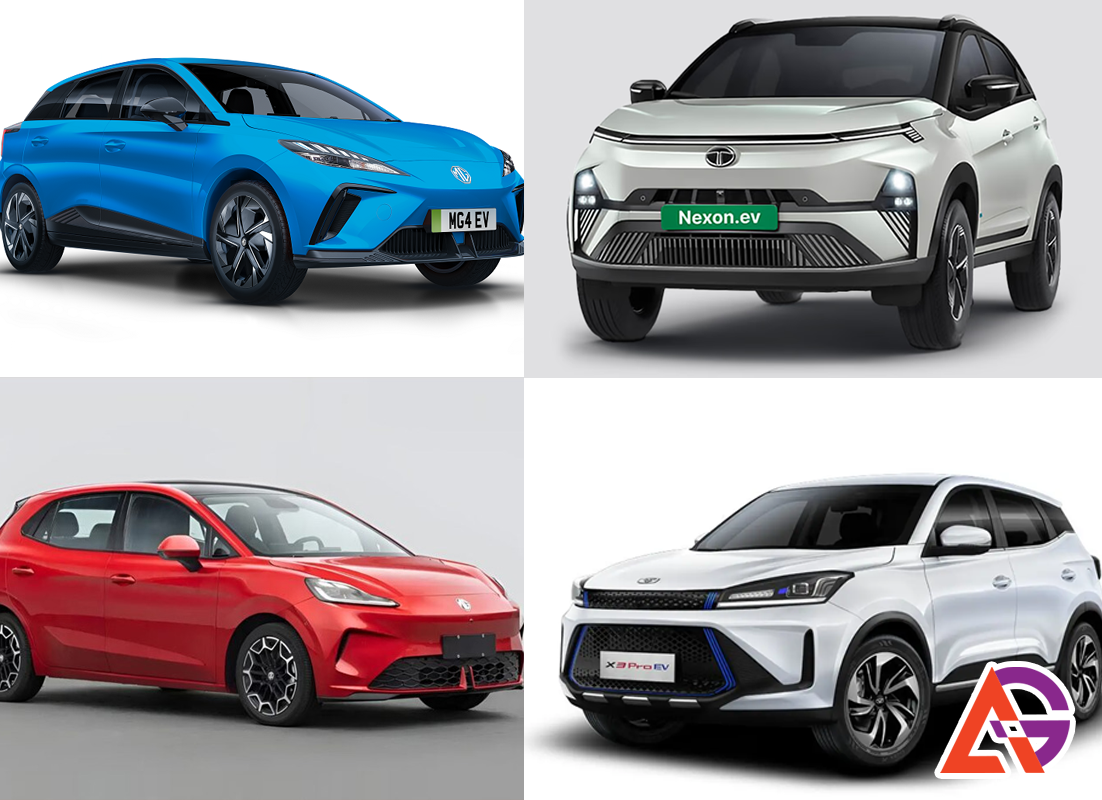
Nepal's vehicle industry has been evolving more quickly than in the past. Fuel costs were comparatively steady, there were few options, and electric cars were viewed as futuristic rather than useful a few years ago. In the present day, things appear entirely different. Nepali vehicle consumers are more knowledgeable and picky than ever thanks to rising fuel prices, better roads, increased environmental consciousness, and better charging stations. One thing is certain as we anticipate 2026: a new era in the Nepali car industry is set to begin.
In contrast to prior years, 2026 automobiles in Nepal will have more than just new models and facelifts. They signify a change in perspective. These days, buyers are inquiring about more than just price and miles. They seek long-term dependability, comfort, safety, technology, and resale value. Companies are aware of this shift, and many producers are creating models that fit Nepal's topography, traffic patterns, and way of life.
The Rise of SUVs in Nepal’s Roads
In Nepal, SUVs are now the most popular car segment, and 2026 is predicted to see a significant continuation of this trend. SUVs provide flexibility that sedans and hatchbacks find difficult to match, whether driving in Kathmandu's cities, on lengthy highway trips, or on rough country roads. SUVs are more suitable for Nepali circumstances thanks to their superior suspension systems, commanding road presence, and increased ground clearance. One of the most talked-about upcoming SUVs for 2026 is the Tata Sierra. This vehicle is not just a comeback of an iconic name but a complete reinvention. The new Sierra is expected to feature a bold design, spacious interiors, modern infotainment systems, and multiple powertrain options, including electric variants. For Nepali buyers who want a stylish yet tough SUV, the Sierra could become a strong contender. Tata already has a solid reputation in Nepal for durability, and this model is expected to build on that trust. Similarly, consumers looking for something new from the standard selections are showing interest in Nissan's future small SUV, which is anticipated to be released around 2026. This car is probably going to prioritize comfort, safety, and economical engines in order to compete in the very competitive mid-SUV market. Nissan's debut could provide good competition for families searching for a well-balanced SUV that can be used in cities and on highways.
Electric Vehicles: No Longer a Future Concept
If there is one segment that will truly define Nepal’s auto market in 2026, it is electric vehicles (EVs). Nepal’s electricity surplus, government incentives, and increasing fuel prices have made EVs not just attractive but practical. What was once a concern about range anxiety is now slowly being replaced by confidence, thanks to expanding charging networks. In 2026, several new electric models are expected to arrive, catering to different budgets and needs. The Toyota Urban Cruiser EV is one of the most anticipated electric SUVs. Toyota’s reputation for reliability combined with electric technology makes this model especially appealing to Nepali buyers who want peace of mind. This EV is expected to offer decent range, advanced safety features, and a comfortable cabin suitable for daily commuting as well as long drives. Alongside Toyota, brands like MG, Geely, and GAC are preparing compact and mid-size electric vehicles for markets like Nepal. These EVs are expected to be more affordable than premium electric SUVs, making them accessible to middle-class buyers. Compact EVs are particularly suitable for city driving, where traffic congestion and short daily commutes make electric cars more efficient than petrol vehicles. What makes these upcoming EVs exciting is not just their price or range, but the improvement in technology. Faster charging, better battery management systems, improved build quality, and smarter infotainment systems mean EVs in 2026 will feel far more refined than early electric models.
Changing Buyer Preferences in Nepal
In 2026, Nepali automobile purchasers are anticipated to be more astute and focused on study. Information is now readily available because to social media, YouTube reviews, and online car marketplaces. Before making a choice, buyers now evaluate features, safety ratings, maintenance costs, and resale values. Brands are being forced to provide better value as a result of this change. Once-luxury technologies like wireless connectivity, parking cameras, touchscreen infotainment systems, steering-mounted controls, and sophisticated driver assistance systems are anticipated to be included in cars starting in 2026. As opposed to being optional extras, safety equipment like multiple airbags, ABS, electronic stability control, and hill-hold assistance are now considered standard. The increasing popularity of automatic transmissions is another noteworthy trend. Urban drivers are gradually losing interest in manual cars due to the growing traffic in places like Kathmandu, Lalitpur, and Pokhara. In order to reduce the stress of daily driving, many future models in 2026 are anticipated to have automatic or CVT choices.
MPVs and Family Cars Still Have a Place
While SUVs and EVs dominate headlines, MPVs and family-oriented vehicles are still relevant in Nepal. Large families, frequent intercity travel, and shared rides make MPVs a practical choice. In 2026, new MPV models are expected to focus more on comfort, fuel efficiency, and modern design. Manufacturers are trying to move away from the old “boxy” image of MPVs and introduce more stylish, car-like designs. Improved seating comfort, better suspension, and enhanced infotainment systems are likely to be key highlights. For families who prioritize space and practicality over sporty looks, upcoming MPVs will remain an attractive option.
Premium and Luxury Cars: A Niche but Growing Segment
Nepal’s luxury car market is small, but it is steadily growing. In 2026, updated versions of premium sedans and SUVs from global brands are expected to make their way into Nepal, either through official distributors or private imports. These vehicles are no longer just about status; buyers are increasingly looking for comfort, advanced safety, and cutting-edge technology. Hybrid and electric luxury cars are expected to gain more attention, especially among buyers who want premium features without high fuel expenses. As charging infrastructure improves and import policies become clearer, luxury EVs could slowly find their place on Nepali roads.
Impact of Government Policies and Infrastructure
Government policies will play a major role in shaping the 2026 automobile market. Tax incentives on electric vehicles, improvements in road networks, and investments in charging infrastructure will directly influence buyer decisions. If supportive policies continue, EV adoption could accelerate faster than expected. At the same time, stricter emission norms and safety regulations may push manufacturers to bring higher-quality vehicles. This means buyers in 2026 can expect better build quality and improved safety standards across most segments.
What This Means for Nepali Buyers
For Nepali consumers, 2026 will be a year of choices. Whether someone is looking for a budget-friendly electric car, a rugged SUV, a comfortable family MPV, or a premium vehicle, options will be more diverse than ever before. The challenge will not be finding a car, but choosing the right one. Buyers will need to consider long-term ownership costs, availability of service centers, resale value, and compatibility with Nepal’s roads. Test drives, warranty coverage, and after-sales service will become even more important factors in decision-making.

