Vehicle Modification Rules in Nepal: Tint, LED Lights, Horns, Number Plates
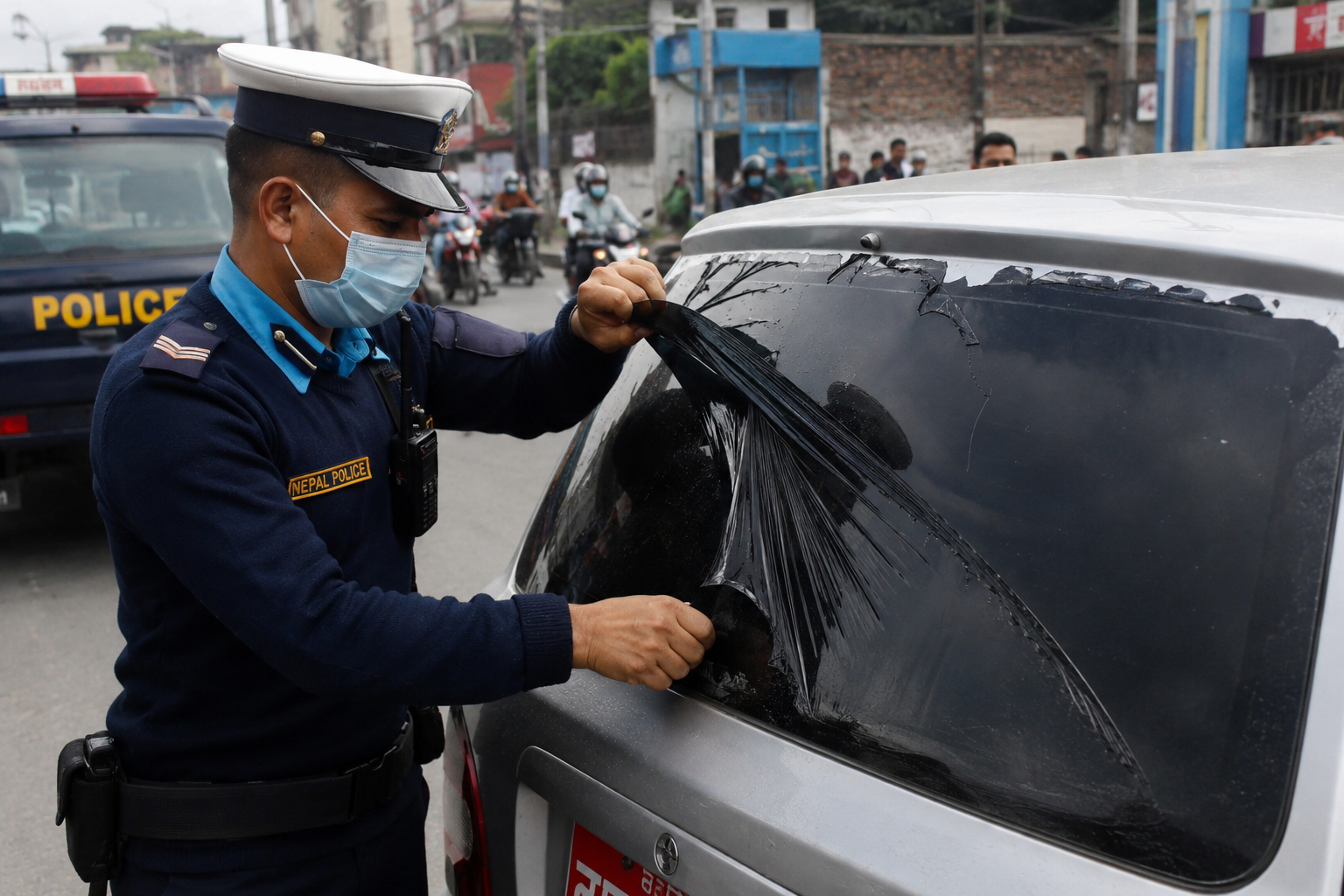
Owning a vehicle is more than just getting from one place to another. For many people in Nepal, it is also about expressing personality. Some drivers install brighter LED headlights, while others add dark window tint, aftermarket horns, stylish alloy wheels, or customized number plates to make their vehicles stand out.
But there is one important question that often gets overlooked.
Are these modifications actually legal?
Every year, many vehicle owners are stopped by traffic police because of modifications they didn't realize were against the rules. Some receive warnings, while others are fined or asked to remove the modifications before driving again.
The truth is that not every modification is illegal. Certain changes are perfectly acceptable as long as they do not compromise safety, reduce visibility, create excessive noise, or change the approved specifications of the vehicle.
If you are planning to modify your car or motorcycle, understanding Nepal's traffic rules can save you time, money, and unnecessary trouble.
Let's look at the most common vehicle modifications and whether they are allowed.
Why Nepal Regulates Vehicle Modifications
Traffic laws are designed to keep roads safe for everyone.
A modification that seems harmless to one driver may become dangerous for another. Extremely bright headlights can blind oncoming traffic. Loud pressure horns can startle pedestrians and cyclists. Dark window tints make it difficult for traffic police to identify occupants inside a vehicle.
For these reasons, Nepal has regulations that limit modifications affecting safety, visibility, noise, and vehicle identification.
Ignoring these rules can result in fines, failed inspections, or instructions to restore the vehicle to its original condition.
Window Tint: What Is Allowed?
Window tint is one of the most common modifications in Nepal.
Many people install tinted films to reduce heat inside the cabin, protect passengers from sunlight, and improve privacy.
However, excessive tint can reduce visibility, especially at night, and make it difficult for law enforcement officers to see inside the vehicle.
Very dark tint, reflective films, or mirror-style window films can attract the attention of traffic police.
When choosing window tint, drivers should always ensure that visibility remains clear from both inside and outside the vehicle. If the tint significantly blocks visibility, there is a high chance it could be considered a violation during inspections.
Are LED Headlights Legal?
LED headlights have become increasingly popular because they consume less electricity and provide brighter illumination than traditional halogen bulbs.
The issue is not LED technology itself.
The problem begins when drivers install extremely powerful aftermarket LEDs inside reflector housings that were originally designed for halogen bulbs.
This creates uncontrolled glare that can temporarily blind drivers approaching from the opposite direction.
Common lighting modifications that may lead to penalties include:
- High-intensity aftermarket LEDs without proper beam alignment
- Blue, purple, or colored headlights
- Flashing lights on private vehicles
- Decorative strobe lights
- Roof-mounted light bars used on public roads without authorization
If you upgrade your headlights, ensure they are properly aligned and comply with approved lighting standards.
Pressure Horns and Loud Modified Horns
A horn is meant to warn other road users, not frighten them.
Many modified vehicles use pressure horns or train-style air horns that produce extremely loud sounds.
These horns create unnecessary noise pollution and can become dangerous in crowded areas.
Traffic authorities generally discourage:
- Air horns
- Pressure horns
- Musical horns
- Siren sounds
- Emergency vehicle horn replicas
Using factory-approved horns is the safest and most legally acceptable option.
Number Plates Must Follow Government Standards
Customized number plates may look attractive, but they can easily violate traffic regulations.
Some owners change:
- Font style
- Font size
- Plate color
- Character spacing
- Plate angle
- Decorative frames covering numbers
These modifications make vehicle identification difficult for traffic police and traffic cameras.
Your number plate should always remain clearly visible, clean, and exactly as approved by the registration authority.
Decorative Lighting Can Also Become a Problem
Many vehicle owners install:
- Underbody LED lights
- Interior flashing lights
- RGB lighting
- Neon strips
- Roof beacons
Although these lights may look attractive during gatherings or exhibitions, using them while driving on public roads may create distractions for other motorists.
Blue and red lights are generally associated with emergency and government vehicles, making their unauthorized use especially problematic.
Exhaust Modifications
Some motorcycle riders remove silencers or install aftermarket exhaust systems to create louder sounds.
While they may enjoy the aggressive exhaust note, excessive noise creates discomfort for nearby residents and other road users.
Very loud exhaust systems can attract police attention and may lead to penalties under noise regulations.
Can You Modify Alloy Wheels?
Changing alloy wheels is common in Nepal.
Generally, replacing steel wheels with alloy wheels is acceptable if the new wheels match the manufacturer's recommended size and specifications.
Problems arise when oversized wheels or excessively wide tyres are installed.
This may affect:
- Braking performance
- Suspension
- Steering
- Speedometer accuracy
- Vehicle stability
Always choose wheel sizes recommended for your vehicle.
Suspension Modifications
Some owners lower their vehicles for a sporty appearance.
Others increase ground clearance for off-road driving.
Major suspension modifications can change vehicle handling and may create safety concerns.
Poorly modified suspension can affect braking, steering control, tyre wear, and passenger safety.
Professional installation and compliance with approved specifications are important before making such changes.
Engine Performance Modifications
Performance tuning has become increasingly popular.
Common modifications include:
- ECU remapping
- Turbo upgrades
- Performance air filters
- Exhaust upgrades
- Increased engine output
While these modifications may improve performance, they can also affect emissions, reliability, and safety if not carried out correctly.
Significant engine modifications may also conflict with the original registration specifications of the vehicle.
Illegal Use of Emergency Accessories
Some vehicles imitate police or government vehicles by installing:
- Flashing red lights
- Blue beacon lights
- Sirens
- Official-looking stickers
- Fake government logos
These modifications are taken seriously because they may mislead the public.
Private vehicles should never use accessories reserved for emergency services or government agencies.
Vehicle Stickers and Windshield Obstruction
Large stickers across the windshield or rear glass may reduce visibility.
Decorative banners placed on the windshield can block the driver's view and increase accident risk.
Drivers should avoid anything that obstructs their field of vision.
What Happens If Your Vehicle Violates the Rules?
Depending on the type of violation, traffic authorities may:
- Issue a warning
- Impose a traffic fine
- Order removal of the illegal modification
- Require the vehicle to pass inspection again
- Prevent the vehicle from operating until corrections are made
The exact action depends on the seriousness of the modification and applicable regulations.
Tips Before Modifying Your Vehicle
Before spending money on accessories, keep these practical tips in mind:
- Research whether the modification complies with Nepal's traffic rules.
- Use quality products from trusted suppliers.
- Have electrical work completed by qualified technicians.
- Avoid excessively bright lights and loud horns.
- Keep the original number plate unchanged.
- Ensure modifications do not reduce safety.
- If in doubt, consult the relevant transport authority or traffic police before making major changes.
The Best Modification Is a Safe Modification
Vehicle modification can improve comfort, appearance, and even performance when done responsibly.
The key is understanding that public roads are shared spaces. A modification that affects visibility, creates unnecessary noise, or confuses other road users can quickly become a legal issue.
Rather than chasing trends, focus on upgrades that genuinely improve your driving experience without compromising safety or violating regulations.
Simple improvements such as quality tyres, approved alloy wheels, better suspension maintenance, professional detailing, or manufacturer-approved lighting upgrades offer real benefits while keeping your vehicle compliant.
Knowing the rules before modifying your vehicle is far easier than paying fines or reversing expensive changes later.
Conclusion
Vehicle customization is becoming increasingly popular across Nepal, but every modification should be made with safety and legality in mind. Whether you are considering window tint, brighter LED headlights, aftermarket horns, custom number plates, or suspension upgrades, understanding the applicable rules can help you avoid unnecessary penalties.
A well-maintained vehicle that complies with traffic regulations is not only less likely to attract fines but also contributes to safer roads for everyone. Before making any major changes, take a moment to verify that your planned modification meets the required standards. That small step can save you both money and inconvenience while ensuring your vehicle remains roadworthy and legally compliant.

