Why Perodua Is Driving Nepal’s 2026 Automotive Boom
Why Perodua Is Driving Nepal’s 2026 Automotive Boom
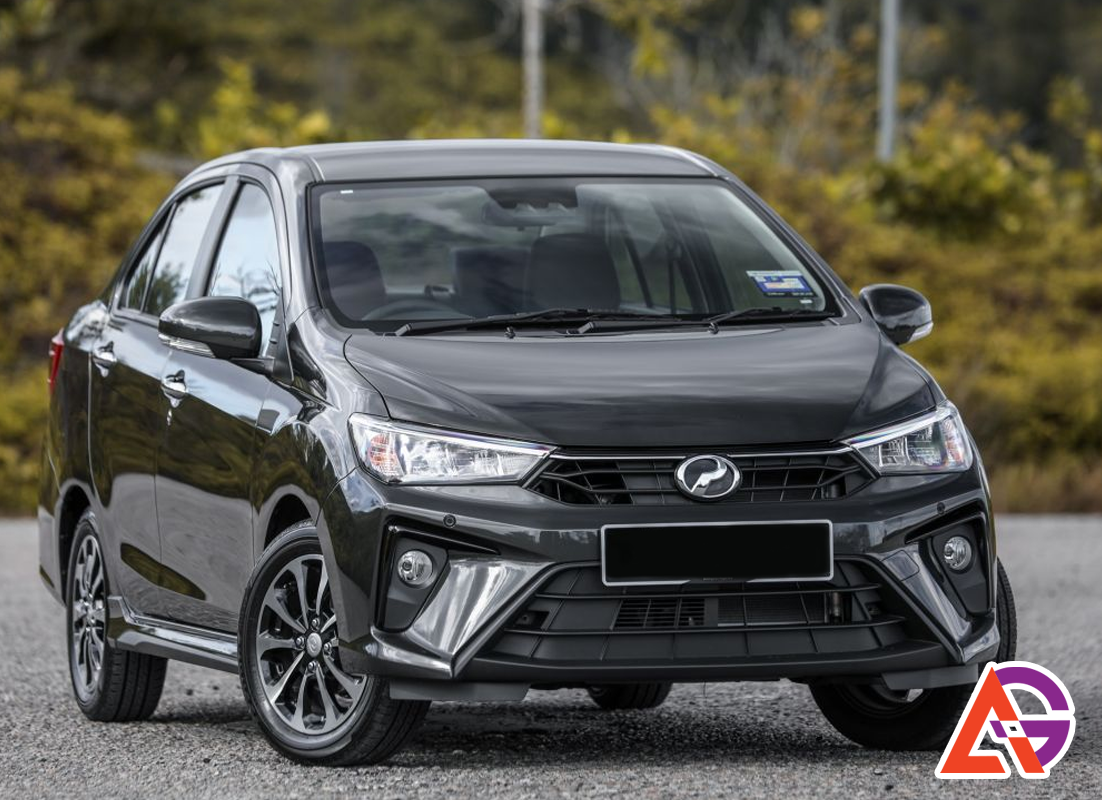
As 2026 draws near, Nepal's automobile industry is poised to reach a pivotal period, and Perodua has become one of the most talked-about brands among all those quietly but steadily changing consumer expectations. In a nation where pragmatism, affordability, fuel economy, and durability are far more important than ostentatious branding, Perodua blends in almost perfectly with Nepali consumers' changing lifestyles. Once considered a niche option, it is now widely preferred, particularly by first-time purchasers, young professionals, and families seeking dependable mobility in a volatile economic climate. The increasing demand for Perodua vehicles in Nepal is not coincidental; rather, it is the outcome of evolving consumer preferences, modifications to the country's infrastructure, and a better comprehension of what Nepali drivers actually want. Perodua's uncompromising pricing is one of the main factors propelling Nepal's automotive development in 2026. Due in large part to hefty import tariffs, growing gasoline prices, and varying household incomes, car consumers in Nepal are quite price-sensitive. A significantly greater portion of the population can now afford to purchase a car because to Perodua's reputation for providing durable, competitively priced cars. Perodua targets middle-class consumers who seek value for every rupee spent, in contrast to luxury brands that are still aspirational but unaffordable. Perodua is now positioned as a useful solution rather than a luxury pleasure because to this cost-quality balance.
Another significant factor contributing to Perodua's increasing appeal in Nepal is fuel efficiency. Ownership of private vehicles is growing, but buyers are more concerned than ever about long-term operating costs because fuel prices are still uncertain and public transit is sometimes congested or unreliable. Because of their well-known fuel-efficient engines, Perodua vehicles are perfect for daily commuting in crowded cities like Kathmandu, Lalitpur, and Pokhara. Lightweight vehicles with efficient engines offer a clear advantage in hilly areas where steep climbs and numerous gear changes are inevitable. Perodua's efficiency becomes a key selling point as more Nepali customers consider long-term savings rather than only the purchase price.
Another area in which Perodua excels is the road conditions in Nepal, which are crucial in determining the demand for automobiles. Although Nepal's infrastructure is getting better, many roads are still difficult and uneven, particularly outside of big cities. Cars that can withstand potholes, slopes, tight streets, and erratic weather without needing costly maintenance are becoming more and more popular. These requirements are perfectly met by Perodua automobiles, which are renowned for their robust construction and straightforward engineering. Owners frequently place a higher value on economical spare parts and ease of repair than on cutting-edge technology, and Perodua provides just that.
By 2026, Nepal’s automotive market is expected to see a younger demographic taking the lead, and Perodua’s appeal among young buyers is undeniable. Young professionals and small families want cars that are easy to drive, easy to maintain, and not intimidating in terms of size or cost. Perodua’s compact designs, smooth handling, and practical interiors suit urban lifestyles where parking space is limited and traffic congestion is common. At the same time, these vehicles still offer enough comfort and safety for longer drives, making them versatile enough for both city use and weekend travel. Growing understanding of total cost of ownership is a significant contributing element to Perodua's increasing demand in Nepal. Before making a purchase, Nepali buyers are getting more knowledgeable and frequently look up maintenance costs, resale value, and dependability. In a market where customers frequently intend to sell or upgrade after a few years, Perodua automobiles' reputation for low maintenance costs and respectable resale value is crucial. Naturally, a car that maintains its worth and doesn't require expensive maintenance becomes more appealing, particularly to purchasers who view their vehicle as both an investment and a necessity.
The influence of word-of-mouth marketing cannot be ignored when discussing Perodua’s success in Nepal. Unlike markets where advertising dominates consumer perception, Nepali buyers heavily rely on recommendations from family, friends, and local mechanics. As more Perodua vehicles appear on the roads and owners share positive experiences, trust in the brand continues to grow. Local workshops becoming familiar with Perodua models further strengthens consumer confidence, as buyers feel reassured that servicing and repairs will not be a challenge. This organic growth in trust is one of the strongest drivers of Perodua’s momentum heading into 2026. Urbanization is also playing a subtle but powerful role in shaping car demand. As cities expand and more people migrate for education and employment, the need for personal mobility increases. Public transportation systems are struggling to keep up with population growth, pushing more households toward owning at least one car. Perodua’s compact cars fit neatly into this urban transformation, offering convenience without excess. Their manageable size makes them suitable for crowded streets, while their efficiency aligns with the daily commuting needs of city dwellers.
Environmental awareness, though still developing in Nepal, is beginning to influence buying decisions as well. While electric vehicles are gaining attention, they remain expensive and infrastructure-dependent, making them impractical for many buyers. In this context, fuel-efficient petrol cars serve as a transitional solution. Perodua’s emphasis on lightweight design and efficient engines aligns with the growing desire to reduce fuel consumption and emissions without sacrificing affordability. By 2026, this balance is expected to become even more important as environmental conversations continue to shape public opinion. The flexibility of Perodua’s model lineup also contributes to its growing demand. From entry-level hatchbacks to slightly more spacious options, the brand caters to a wide range of needs without overwhelming buyers with unnecessary complexity. Nepali consumers often prefer straightforward choices, and Perodua’s approach of focusing on practicality rather than excessive customization resonates strongly. This simplicity reduces confusion and makes the buying process less stressful, especially for first-time car owners.
Another factor contributing to Perodua's success in Nepal's vehicle industry is economic uncertainty. Brands that are dependable and predictable typically do better during periods when consumers are wary of making significant financial commitments. Perodua automobiles are thought to be wise choices rather than dangerous purchases. In 2026, this perception has even more significance as consumers continue to strike a balance between financial responsibility and desires. Many consumers place more value on peace of mind than prestige when they own an automobile that satisfies everyday necessities without breaking the bank. Aspirations are evolving as Nepal continues to modernize, but pragmatism is still at the heart of consumer behavior. Perodua has successfully positioned itself at the nexus of realism and desire. It provides buyers with the convenience of personal transportation, the assurance of dependability, and the dignity of car ownership without putting them in a difficult financial situation. One of the main reasons Perodua is driving Nepal's automotive boom rather than just taking part in it is this subtle yet potent emotional connection.
By 2026, it will be evident that Perodua's expansion in Nepal is more than a passing fad. It is a reflection of a more profound change in how the automotive industry defines value. Brands that share these principles will continue to grow as consumers become more knowledgeable, cautious, and concerned about long-term advantages. Understanding ordinary reality rather than pursuing luxury storylines that don't fit the local environment is the foundation of Perodua's success.
In conclusion, because Perodua speaks the language of the typical Nepali consumer, it is spearheading the country's automotive growth in 2026. It is aware of the expectations they bear, the budgets they oversee, and the paths they travel. In a cutthroat and changing market, Perodua has established a solid reputation for price, efficiency, dependability, and practicality. Perodua's steady, people-focused strategy guarantees that its presence will not just grow but remain relevant for years to come as Nepal's automotive scene continues to change.

