Winter Motorcycle Maintenance Tips Every Rider Should Know
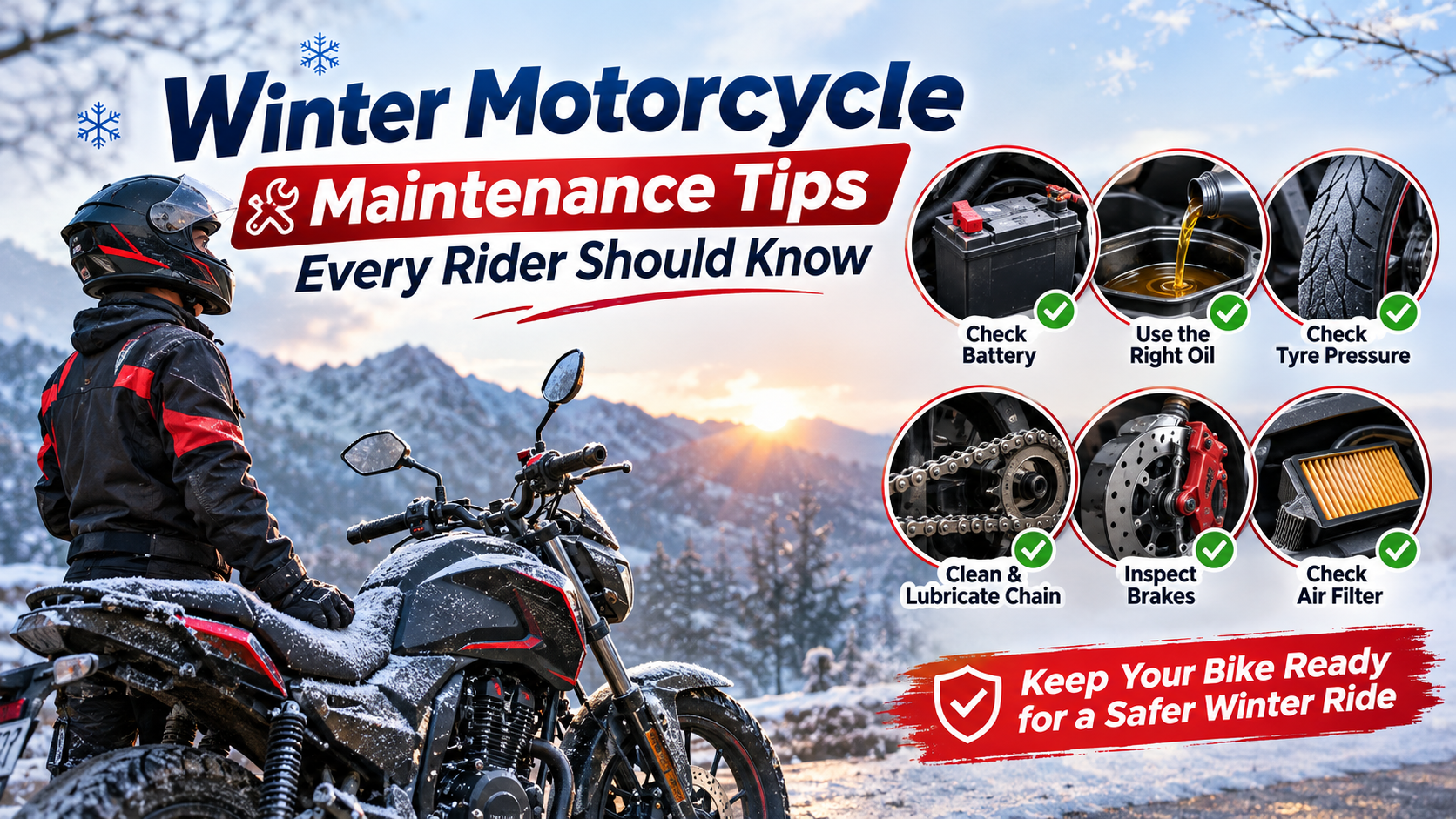 Winter can be a challenging season for motorcycle riders. Cold mornings, foggy roads, chilly winds and changing road conditions can make everyday riding more difficult than usual. While some riders prefer to park their motorcycles until warmer weather arrives, many people in Nepal depend on their bikes for daily commuting, office travel and long-distance journeys.
However, riding a motorcycle during winter requires a little extra attention. Cold temperatures can affect battery performance, engine oil, tyre pressure and overall motorcycle performance. Moisture, dust and muddy roads can also contribute to rust and premature wear if proper care is ignored.
The good news is that maintaining your motorcycle during winter does not have to be complicated or expensive. A few regular checks and simple maintenance habits can help prevent unexpected breakdowns, improve riding comfort and extend the life of your motorcycle.
Whether you ride a commuter bike, a sports motorcycle, a cruiser or an adventure motorcycle, these winter motorcycle maintenance tips will help you keep your two-wheeler ready for the road.
1. Check Your Motorcycle Battery Regularly
Cold temperatures can reduce a battery's ability to deliver power. This becomes particularly noticeable in older motorcycles with weak batteries. You might notice that the starter motor turns slowly or that the engine takes longer than usual to start in the morning.
To avoid this problem, inspect your battery regularly.
Here are a few things to remember:
-
Check the battery terminals for corrosion or loose connections.
-
Make sure the battery is properly charged.
-
Inspect the battery for cracks, leakage or physical damage.
-
If your motorcycle has a conventional battery, check the electrolyte level according to the manufacturer's instructions.
-
Replace an old or weak battery before it causes starting problems.
-
If you rarely use your motorcycle, consider using a suitable battery maintainer.
A healthy battery makes a noticeable difference during cold mornings. If your motorcycle repeatedly struggles to start, get the battery and charging system checked by a qualified mechanic.
2. Use the Right Engine Oil
Engine oil plays an important role in protecting your motorcycle's engine. It lubricates moving components, reduces friction and helps control engine temperature.
During winter, engine oil can become thicker, particularly when the motorcycle has been parked outside overnight. This may make it harder for the oil to circulate immediately after starting the engine.
Using the correct engine oil is therefore important.
Always follow the viscosity grade recommended in your motorcycle owner's manual. Do not choose engine oil simply because someone recommends a particular brand or grade.
For example, some motorcycles use 10W-30 or 10W-40 engine oil, but the correct grade depends on the motorcycle model and manufacturer's specifications.
Winter engine oil maintenance tips:
-
Check the engine oil level regularly.
-
Follow the recommended oil replacement interval.
-
Use genuine or manufacturer-approved engine oil.
-
Avoid mixing different oil grades without professional advice.
-
Check for oil leakage around the engine.
-
Allow the engine a short moment to settle after starting before riding gently.
Remember, good engine oil helps protect your motorcycle throughout the year, not just during winter.
3. Check Tyre Pressure Before Riding
Tyres are one of the most important safety components of a motorcycle. During winter, changes in temperature can affect tyre pressure, while fog, moisture and occasional rain can make roads slippery.
Cold air generally causes tyre pressure to decrease. Riding with underinflated tyres can affect handling, braking performance and fuel efficiency.
Before heading out, make tyre inspection a regular habit.
-
Check tyre pressure when the tyres are cold.
-
Follow the pressure recommendations provided by the manufacturer.
-
Inspect tyres for cuts, cracks and punctures.
-
Check the tread depth and replace worn-out tyres.
-
Look for uneven tyre wear.
-
Avoid riding aggressively on wet or slippery roads.
If you regularly ride on highways or rough roads, tyre condition becomes even more important.
Never increase tyre pressure beyond the manufacturer's recommended level just because winter has arrived.
4. Clean and Lubricate the Motorcycle Chain
The motorcycle chain is constantly exposed to dust, dirt, water and road debris. During winter, moisture can increase the chances of rust and corrosion, especially if the motorcycle is parked outside.
A poorly maintained chain can produce unusual noises, affect power delivery and wear out faster.
To keep it in good condition:
-
Clean the chain using a suitable motorcycle chain cleaner.
-
Apply motorcycle-specific chain lubricant after cleaning.
-
Check chain tension according to the owner's manual.
-
Inspect the chain and sprockets for excessive wear.
-
Avoid using harsh chemicals that can damage chain seals.
-
Lubricate the chain after washing the motorcycle and once it has dried.
If you ride regularly through dusty or wet conditions, inspect the chain more frequently.
A properly maintained chain improves riding smoothness and helps extend the life of the drivetrain.
5. Give Your Motorcycle Time to Warm Up
Starting a motorcycle and immediately accelerating hard is not a good habit, especially during cold mornings.
When the engine is cold, the oil needs time to circulate through its moving components. Riding aggressively before the engine reaches its normal operating condition can increase unnecessary wear.
However, modern motorcycles generally do not need to idle for several minutes.
A better approach is to:
-
Start the motorcycle according to the manufacturer's instructions.
-
Allow a brief moment for the engine to settle.
-
Check that there are no unusual noises or warning lights.
-
Ride gently for the first few minutes.
-
Avoid high RPM and sudden acceleration until the engine warms up.
This simple habit helps protect the engine and provides a smoother riding experience.
6. Inspect Your Motorcycle Brakes
Winter roads can be unpredictable. Morning fog, moisture, loose dirt and wet surfaces can reduce tyre grip and increase the importance of properly functioning brakes.
Before winter riding becomes part of your daily routine, inspect both front and rear brakes.
Pay attention to the following:
-
Check brake pad thickness.
-
Inspect brake discs for excessive wear or damage.
-
Check brake fluid levels.
-
Look for brake fluid leakage.
-
Check whether the brake lever and pedal feel normal.
-
Make sure the brakes respond smoothly without unusual noises.
If your motorcycle uses drum brakes, have the brake shoes and adjustment inspected.
Never ignore a soft brake lever, unusual vibration or reduced stopping performance. Get it checked before continuing to ride.
7. Keep Your Motorcycle Clean and Dry
Many riders pay less attention to motorcycle cleaning during winter because of the cold weather. However, moisture, mud and accumulated dirt can damage motorcycle components over time.
Water can remain around metal parts, bolts, the chain and electrical connections. If left unattended, this may contribute to corrosion.
You do not need to wash your motorcycle every day. Instead, focus on cleaning it whenever it becomes excessively dirty.
Some useful cleaning habits include:
-
Wash off mud and road dirt when necessary.
-
Dry the motorcycle properly after washing.
-
Pay attention to the chain, wheels and lower body panels.
-
Use a microfiber cloth to clean painted surfaces.
-
Apply suitable protection to exposed metal surfaces.
-
Avoid directing high-pressure water at electrical connectors, bearings and sensitive components.
Keeping your motorcycle clean is not just about appearance. It also makes it easier to identify leaks, cracks and other developing problems.
8. Inspect the Air Filter
The air filter protects the engine by preventing dust and other particles from entering the combustion chamber. If the filter becomes dirty or clogged, it can affect engine performance and fuel efficiency.
This is particularly important for riders who regularly travel through dusty roads or construction areas.
During winter maintenance, check whether the air filter needs cleaning or replacement.
Things to check:
-
Inspect the air filter for dust and dirt.
-
Clean or replace it according to the manufacturer's recommendations.
-
Check whether the air filter housing is properly sealed.
-
Avoid washing paper air filters unless the manufacturer specifically allows it.
-
Replace damaged or excessively dirty filters.
A clean air filter helps your engine receive the right amount of clean air for efficient combustion.
9. Check the Coolant Level in Liquid-Cooled Motorcycles
If you own a liquid-cooled motorcycle, checking the coolant should be part of your regular maintenance routine.
Coolant helps regulate engine temperature and protects the cooling system from corrosion. In colder conditions, using the correct coolant mixture is also important for protection against freezing.
Although extreme freezing temperatures are uncommon in many parts of Nepal, riders travelling to colder mountain regions should pay particular attention to their cooling systems.
Here are some important checks:
-
Inspect the coolant level in the reservoir.
-
Look for leakage around hoses and radiator connections.
-
Check the radiator for damage or blockage.
-
Use the coolant recommended by the manufacturer.
-
Never open the radiator cap while the engine is hot.
-
Replace old coolant according to the recommended service interval.
Remember that coolant is not simply water. Using the correct motorcycle coolant helps protect the engine and cooling system.
10. Protect Your Motorcycle from Rust and Corrosion
Winter moisture can gradually damage exposed metal parts. This is particularly relevant for motorcycles parked outdoors or frequently used on wet roads.
Parts such as bolts, the chain, exhaust components and other exposed metal surfaces may develop rust if they are not properly maintained.
You can reduce this risk with a few simple habits:
-
Park your motorcycle in a covered and ventilated area.
-
Dry the motorcycle after washing or riding through rain.
-
Clean moisture from exposed metal components.
-
Apply suitable anti-corrosion protection where recommended.
-
Keep the chain properly lubricated.
-
Inspect bolts and metal fittings for early signs of rust.
Avoid spraying lubricant or protective chemicals directly onto brake discs, brake pads, tyres or other surfaces where they could reduce grip.
11. Check All Lights and Electrical Connections
Foggy mornings and early sunsets can make winter riding more difficult. Your motorcycle's lighting system plays an important role in helping you see the road and making other road users aware of your presence.
Before riding, check whether all lights are working properly.
Make sure you inspect:
-
Headlights, including high and low beams.
-
Front and rear indicators.
-
Brake lights.
-
Tail lights.
-
Instrument cluster warning lights.
-
Horn and electrical switches.
Also check for loose wiring, damaged insulation and signs of moisture around electrical connections.
If you frequently travel during early morning hours in Kathmandu or on highways, properly functioning headlights and indicators are especially important.
12. Maintain the Clutch and Throttle Cables
Cold weather, dirt and moisture can sometimes make motorcycle cables feel stiff. A clutch lever that does not operate smoothly or a throttle that fails to return properly can affect riding safety.
Before taking your motorcycle out, check the operation of both controls.
-
Make sure the clutch lever moves smoothly.
-
Check clutch free play according to the owner's manual.
-
Ensure the throttle returns automatically when released.
-
Inspect cables for fraying or visible damage.
-
Lubricate cables only when recommended by the manufacturer.
-
Replace damaged or excessively worn cables.
Never ride with a throttle that sticks or does not return properly. Have it repaired immediately.
13. Check the Fuel System and Avoid Old Fuel
Fuel-related problems can sometimes become noticeable when a motorcycle is left unused for an extended period.
Petrol can deteriorate over time, particularly when stored for several months. Moisture contamination and deposits can also cause problems in the fuel system.
If you are planning to park your motorcycle for most of the winter, follow the manufacturer's storage recommendations.
For motorcycles used regularly:
-
Purchase fuel from reliable petrol stations.
-
Avoid riding with an almost empty fuel tank.
-
Check for fuel leakage.
-
Inspect fuel hoses and connections.
-
Follow the recommended fuel grade.
-
Get the fuel system inspected if the engine frequently stalls or struggles to start.
For long-term storage, ask a qualified mechanic whether your motorcycle requires additional fuel-system preparation.
14. Choose the Right Motorcycle Parking Location
Where you park your motorcycle during winter can make a significant difference to its condition.
Leaving it exposed to cold winds, rain, fog and moisture for long periods can accelerate deterioration of certain components.
Whenever possible, park your motorcycle in a covered and dry location.
Some useful parking tips include:
-
Use a covered garage whenever possible.
-
Avoid parking directly under trees.
-
Use a breathable motorcycle cover.
-
Make sure the motorcycle is dry before covering it.
-
Park on a stable, level surface.
-
Avoid leaving the motorcycle in areas where water collects.
If you use a motorcycle cover, make sure it allows some ventilation. Trapping moisture underneath a cover can encourage corrosion.
15. Wear Proper Riding Gear During Winter
Motorcycle maintenance is not limited to the vehicle itself. Your own safety and comfort also deserve attention.
Cold winds can affect concentration and make long rides uncomfortable. Foggy conditions can reduce visibility, while cold fingers may make it harder to operate the clutch and brake controls.
Before heading out, make sure you have suitable riding equipment.
-
Wear a properly fitting full-face helmet.
-
Use insulated riding gloves.
-
Choose a riding jacket that protects against cold winds.
-
Wear proper riding boots.
-
Use reflective clothing or accessories.
-
Carry rain protection when necessary.
-
Keep your helmet visor clean to maintain visibility.
Avoid wearing excessively bulky gloves that prevent you from operating the controls properly.
Good riding gear helps you stay comfortable and maintain better control of your motorcycle.
16. Follow Your Motorcycle's Regular Service Schedule
Even if you follow all the maintenance tips mentioned above, regular servicing remains essential.
Many motorcycle owners visit a service centre only when something goes wrong. This approach can lead to expensive repairs that could have been prevented through routine inspection.
Winter is a good time to review your motorcycle's overall condition.
Ask your mechanic to inspect:
-
Engine oil and oil filter.
-
Battery and charging system.
-
Brakes and brake fluid.
-
Tyres and wheel bearings.
-
Chain and sprockets.
-
Suspension components.
-
Air filter.
-
Coolant and radiator, if applicable.
-
Fuel system.
-
Electrical connections.
Keep a record of your servicing dates and replaced parts. This makes it easier to understand your motorcycle's maintenance history and plan future expenses.
17. Take Extra Care When Riding on Foggy and Wet Roads
Winter riding is not just about maintaining your motorcycle. Road conditions also change during this season.
In Nepal, foggy mornings, cold temperatures and occasional rainfall can make certain roads slippery. Roads around Kathmandu, highways and hilly regions may present additional challenges.
Even a well-maintained motorcycle can lose traction if the rider does not adjust their riding style.
Keep these points in mind:
-
Reduce your speed in foggy conditions.
-
Maintain a safe distance from other vehicles.
-
Avoid sudden braking and sharp acceleration.
-
Use headlights appropriately.
-
Slow down before entering corners.
-
Be careful around wet leaves, mud and loose gravel.
-
Avoid unnecessary overtaking when visibility is poor.
-
Check road conditions before travelling to higher-altitude destinations.
Most importantly, never compromise safety to save a few minutes.
Common Winter Motorcycle Maintenance Mistakes to Avoid
Even experienced riders sometimes overlook basic maintenance during winter. Here are some mistakes worth avoiding:
-
Ignoring a weak battery: Waiting until the motorcycle refuses to start can leave you stranded.
-
Using the wrong engine oil: Always follow the manufacturer's recommended oil specification.
-
Ignoring tyre pressure: Cold temperatures can change tyre pressure and affect handling.
-
Riding immediately at high RPM: Give the engine a brief moment to settle and ride gently until it warms up.
-
Neglecting chain lubrication: Moisture and dirt can accelerate chain wear.
-
Ignoring unusual engine noises: Strange sounds, vibrations or warning lights should be investigated.
-
Parking a wet motorcycle under a non-breathable cover: Trapped moisture can encourage corrosion.
-
Delaying regular servicing: Small mechanical issues can become expensive problems if ignored.
Frequently Asked Questions (FAQs)
1. How often should I service my motorcycle during winter?
Follow the service interval recommended by your motorcycle manufacturer. If you ride frequently in dusty, wet or difficult conditions, you may need more frequent inspections and cleaning.
2. Why does my motorcycle struggle to start on cold mornings?
A weak battery, thick cold engine oil, fuel-system problems or ignition issues can make starting difficult. Have the battery and starting system inspected if the problem continues.
3. Should I warm up my motorcycle before riding in winter?
Yes, allow the engine a brief moment to settle after starting. Then ride gently until it reaches normal operating temperature. Long periods of idling are generally unnecessary for modern motorcycles.
4. Does cold weather affect motorcycle tyre pressure?
Yes. Tyre pressure generally decreases as air temperature drops. Check pressure when tyres are cold and maintain the manufacturer's recommended level.
5. Which engine oil is best for motorcycles during winter?
There is no single best oil for every motorcycle. Choose the viscosity grade and specification recommended in your owner's manual.
6. How can I prevent my motorcycle chain from rusting during winter?
Clean the chain regularly, allow it to dry and apply suitable motorcycle chain lubricant. Inspect it frequently, especially after riding through rain or muddy roads.
7. Should I cover my motorcycle during winter?
Yes, a suitable motorcycle cover can protect it from dust and moisture. However, always dry the motorcycle first and use a breathable cover to avoid trapping moisture.
8. Is it safe to ride a motorcycle in foggy conditions?
It can be risky because visibility and road grip may be reduced. Reduce speed, use appropriate lights, maintain a safe following distance and avoid riding if visibility becomes dangerously poor.
9. How can I protect my motorcycle battery when it is not being used?
Keep the battery charged and follow the manufacturer's storage recommendations. A compatible battery maintainer can help prevent excessive discharge during extended periods of inactivity.
10. What should I check before a long motorcycle ride in winter?
Inspect the battery, engine oil, tyres, brakes, chain, lights, coolant where applicable and fuel level. Also check the weather and road conditions before starting your journey.

